

As an Amazon Associate, I earn from qualifying purchases at no extra cost to you.
2020 Toyota Sienna Oil Change Frequency (Expert Tips)
 ByFawaz
You probably think your minivan is just a boring box on wheels, but it’s actually a tank if you treat it right. I’ve seen these engines hit 300,000 miles just because the owners stayed on top of their 2020 Toyota Sienna oil change frequency. It's the cheapest insurance you can buy for your car.
First you need to check your odometer every month so you don’t miss the mark. You should use a high quality 0W-20 full synthetic oil because that is what the factory wants. You also need to change the oil filter every single time you drain the old fluid. It helps to look at your oil dipstick to see if the color looks like dark syrup or black coffee. You must reset the maintenance light on your dash after the job is done. Lastly you should keep a small notebook in your glovebox to write down the date and the miles for every service.
How Often Should You Really Change the Oil in a 2020 Toyota Sienna?
Toyota says you can go 10,000 miles between changes if you use synthetic oil. That sounds great on paper but real life is much harder on engines. If you drive in a lot of stop and go traffic, that oil breaks down faster than you think. I always tell my friends to stick to a shorter path if they want the engine to last forever.
Most people drive in what mechanics call severe conditions without even knowing it. This includes short trips to the grocery store or driving in very hot or cold weather. These short trips don’t let the engine get hot enough to burn off moisture. That moisture turns into sludge which is the number one killer of these reliable V6 engines.
I suggest you aim for a change every 5,000 to 7,500 miles instead of waiting for the full ten. This keeps the internal parts clean and prevents expensive leaks later on. It's a small price to pay for peace of mind. Your van will run much smoother and stay quiet when you’re idling at red lights.
- Check your oil level every two weeks.
- Use 0W-20 grade synthetic oil only.
- Change it every 5,000 miles for heavy city driving.
- Wait no longer than 12 months between changes.
- Replace the drain plug washer every time.
- Watch for the “Maintenance Required” light on your dash.
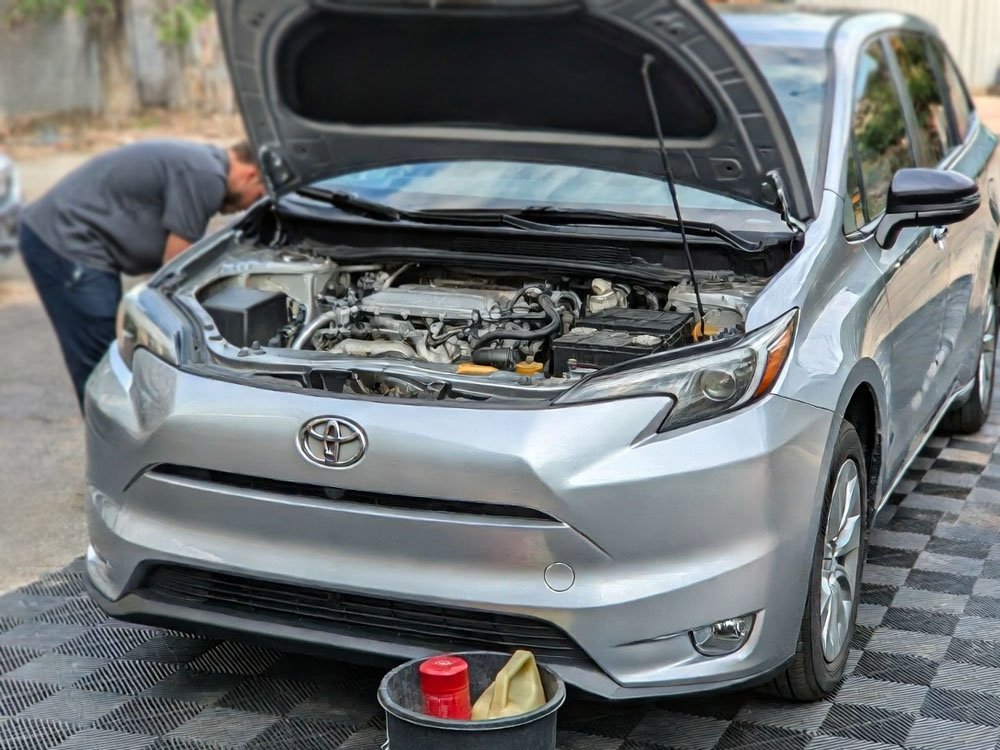
2020 Toyota Sienna Oil Change Frequency and the Best Maintenance Tips
Use the Right Type of Synthetic Oil
You must use 0W-20 synthetic oil in this specific model year. This oil is very thin which helps the engine start easily when it is freezing outside. It also flows quickly to the top of the engine to protect the valves. If you use thicker oil, you might actually hurt your fuel economy or cause the engine to work harder than it needs to.
I always look for the API seal on the bottle to make sure it’s top shelf stuff. Some cheap brands don’t have the right additives to keep the seals soft. When seals get hard, they start to leak oil all over your driveway. Stick to big names that you trust and your van will thank you by staying leak free for years.
Many owners try to save a few bucks by using a blend, but don’t do that. The 2020 Sienna engine is built for the high performance of full synthetic. It handles heat much better and doesn’t thin out when you’re hauling a full load of kids and gear. You get what you pay for when it comes to engine life.
- Only buy 0W-20 full synthetic oil.
- Look for the “Starburst” seal on the bottle.
- Avoid mixing different brands if you can.
- Buy a 5-quart jug to save money.
Pick a High Quality Oil Filter
The filter is just as important as the oil itself. It catches all the tiny metal bits and carbon that could scratch your engine walls. A cheap filter might clog up or even collapse under pressure. I’ve seen bad filters stay stuck open which means dirty oil just keeps circling around your engine.
You should try to get an OEM Toyota filter from the dealership parts counter. They aren’t much more expensive than the ones at the big box stores. These filters have the right bypass valve settings for your V6 engine. This ensures that oil keeps moving even if the filter gets full of junk.
Always lube the rubber gasket on the new filter with a bit of fresh oil before you spin it on. This helps it seal perfectly and makes it easier to take off next time. If you put it on dry, it might get stuck and turn into a nightmare during your next garage session. A little bit of prep goes a very long way.
- Buy the Toyota 04152-YZZA1 filter kit.
- Check that the kit includes new O-rings.
- Never reuse an old oil filter.
- Hand tighten the filter then give it a tiny turn with a wrench.
Watch Out for Severe Driving Conditions
Most people think they drive normally but they actually drive in severe conditions. If you live in a place with dusty roads or salty air, your oil gets dirty faster. Towing a small trailer or using a roof rack also puts extra stress on the motor. This heat makes the oil lose its ability to lubricate the moving parts.
I tell my customers that idling in school pickup lines is actually very tough on a van. The engine is running but you aren’t moving, so there is no cool air hitting the radiator. This builds up heat that cooks the oil over time. If this sounds like your daily routine, you should definitely change your oil more often.
You should also think about the humidity in your area. High humidity can lead to water buildup inside the crankcase if you don’t drive long distances. A good thirty minute highway drive once a week helps burn that water off. It keeps the inside of your engine looking shiny and new instead of rusty and gross.
- Short trips under five miles are severe.
- Stop and go traffic wears oil down quickly.
- Extremely hot summers require more frequent changes.
- Towing a trailer doubles the stress on oil.
Learn to Read Your Dipstick Properly
The dipstick is like a window into your engine’s soul. You should pull it out when the engine is warm but has been sitting for a few minutes. Wipe it clean first, then stick it all the way back in for an accurate reading. The oil should be between the two little dots or marks on the metal.
If the oil looks very dark or smells like it is burnt, it is time for a change. Fresh oil looks like clear honey, and old oil looks like dark chocolate. If you see any milky white streaks, stop driving immediately. That usually means coolant is leaking into your oil, which is a major problem that needs a pro.
Keep an eye on the level to see if your Sienna is “consuming” oil. Some engines burn a little bit as they get older. If you notice the level dropping every week, you might have a small leak or a worn valve. Catching this early prevents you from running the engine dry and blowing it up.
- Check the level on a flat surface.
- Wipe the stick with a lint-free rag.
- Look for bubbles or a milky texture.
- Add a little oil if it’s below the top dot.
Reset the Maintenance Required Light
That little light on your dashboard is just a timer based on your mileage. It doesn’t actually “know” if the oil is clean or dirty. You must reset it manually after every service so the clock starts over. If you don’t reset it, you might get confused about when your next service is actually due.
To do this, you usually use the steering wheel buttons to go into the settings menu on your screen. Look for the “Vehicle Settings” and then find “Scheduled Maintenance.” Hold down the center button to reset the data. It is a very simple process that only takes about ten seconds once you find the right screen.
I always suggest checking the manual if the menu looks different on your specific trim level. Sometimes you have to use the trip odometer button instead. Once it’s reset, you can drive with confidence knowing your van is tracking the miles for you. It's a nice little reminder that keeps you on schedule.
- Turn the car to the “On” position.
- Use the arrow buttons on the steering wheel.
- Find the “Settings” gear icon.
- Select “Scheduled Maintenance” and confirm the reset.
Keep a Simple Service Log
Writing things down is an old school trick that still works the best. I keep a small logbook in the center console for every vehicle I own. When I change the oil, I write down the date, the mileage, and the brand of oil I used. This helps a lot if you ever decide to sell the van later on.
A buyer will pay much more for a Sienna that has a full history of oil changes. It proves that you took care of the car and didn’t cut corners. You can also use this log to track other things like air filters or tire rotations. It makes you a more responsible owner and keeps the van in top shape.
If you don’t like paper, you can use a free app on your phone to track it. Just make sure you take a photo of your receipts for the oil and filters. This acts as proof for your warranty if the engine ever has a factory defect. It protects your wallet and your investment at the same time.
- Record the date of every oil change.
- Save your receipts in a folder.
- Note the mileage for the next service.
- Track tire rotations at the same time.
Is it Possible to Change Your Own Oil at Home?
You can definitely handle this job if you have a few basic tools and a little bit of patience. You will need a floor jack, some jack stands, and a specific wrench for the Toyota filter housing. It is a very rewarding feeling to know exactly what is going into your engine. Plus, you save about fifty bucks every time you do it yourself.
The 2020 Sienna uses a cartridge-style filter instead of a metal spin-on can. This means you only replace the paper element inside a plastic housing. It can be a little messy the first time, but the kit comes with a plastic drain tool to help you out. Just take your time and don’t rush the process or you might make a mess.
Make sure you have a large drain pan to catch the six quarts of oil that will come out. Always wear gloves because old engine oil is full of nasty chemicals you don’t want on your skin. Once you’re done, take the old oil to an auto parts store so they can recycle it for free.
- Get a 14mm wrench for the drain plug.
- Buy a 64mm oil filter cap tool.
- Always use jack stands for safety.
- Check for leaks after running the engine.
- Don’t over-tighten the plastic filter housing.
- Keep a bag of cat litter nearby for spills.
Final Thoughts
You now know everything about the 2020 Toyota Sienna oil change frequency and how to keep your motor running like a clock. Just remember to be consistent and use the right synthetic oil every time. If you treat your van well, it will take your family on thousands of fun adventures without any drama. You’ve got this, so go grab some oil and take care of your ride today!
| Service Item | Recommended Interval | Part/Spec Needed |
| Engine Oil | 5,000 – 10,000 Miles | 0W-20 Full Synthetic |
| Oil Filter | Every Oil Change | Toyota 04152-YZZA1 |
| Drain Plug Gasket | Every Oil Change | 90430-12031 |
| Tire Rotation | Every 5,000 Miles | N/A |
| Cabin Air Filter | Every 15,000 Miles | Standard Paper Filter |
Frequently Asked Questions (FAQs)
Is it okay to use 5W-20 instead of 0W-20?
You should really stick to 0W-20 for your Sienna. The engine is designed with very tight spaces between the metal parts. Thicker oil like 5W-20 might not get into those spots quickly enough when the engine is cold. Over time, this can lead to extra wear on your engine parts.
Can I wait until the maintenance light comes on to book a service?
The light is a good reminder, but it’s better to plan ahead. If you know you have a long road trip coming up, change the oil early. Waiting until the light stays on means you are already at the limit. Being proactive is always better for the health of your V6 engine.
Do I need to change the filter every time?
Yes, you absolutely must change the filter with every oil change. A dirty filter is full of old gunk and metal shavings. If you leave it in, your brand new oil will get dirty the moment you start the car. It is a cheap part that does a very big job for you.
Is synthetic oil worth the extra money?
It is worth every penny for a modern engine like the one in your 2020 Sienna. Synthetic oil stays stable at high temperatures and flows better when it is freezing. It protects your engine much better than old-fashioned conventional oil. It also allows you to drive longer between your oil changes.
Can I skip the drain plug washer?
You should replace that little washer every single time you take the bolt out. It is a “crush” washer, which means it squishes down to create a perfect seal. If you reuse the old one, it might leak slowly. A tiny leak can lead to a big mess or a dry engine over time.
Do I have to go to the dealership for an oil change?
You don’t have to go to the dealer to keep your warranty valid. You can go to any local shop or even do the work yourself in your driveway. Just make sure you keep your receipts and write down the mileage. This proves that you followed the factory maintenance schedule if a problem happens.
Is it normal for my Sienna to use a little oil?
Many Toyota engines use a tiny bit of oil between changes as they get older. This is usually not a big deal if it’s less than a quart every few thousand miles. However, you should check the level often to make sure it doesn’t get too low. If it’s burning a lot, see a mechanic.
Can I switch brands of oil if my favorite is out of stock?
It is perfectly fine to switch brands as long as the oil is 0W-20 and full synthetic. Most modern oils are compatible with each other. While it’s nice to stick to one brand, your engine won’t mind if you use a different high-quality synthetic. Just make sure it has the right API certifications.