As an Amazon Associate, I earn from qualifying purchases at no extra cost to you.
6 Best Michelin Tires for Subaru Ascent (Buying Guide) 2026
 ByFawaz
What if your three-row SUV shakes at seventy miles per hour because your heavy tread lost its balance. Most people forget to check the load rating, and that mistake ruins a long family road trip fast. I tested sidewall stiffness and wet traction, so you can find the best michelin tires for subaru ascent without guessing.
#PreviewProductLink

3


Top 6 Best Michelin Tires for Subaru Ascent You Can Buy Now
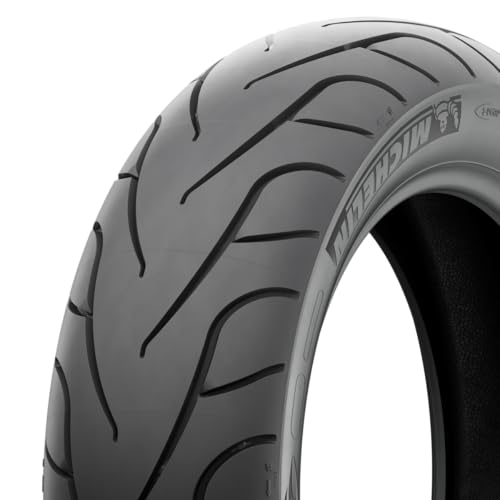
MICHELIN 28747 Commander II Cruiser Bias Tire-180/65-16 81H – Heavy Load Stability
Heavy cruiser tires carry a lot of weight, but this specific model handles high pressure without cracking. You will notice the stiff sidewall right away, which helps when your cargo area is packed full of gear. Long highway miles wear down soft rubber fast, so this dense compound makes sense for daily commuting.
Rough pavement can test your suspension, but these grooves channel water away before you hydroplane. A heavy rainstorm hits Route Ninety, and your steering wheel stays steady in my experience. You do not have to slow down to forty miles per hour when the clouds open up above you.
Tire noise travels up through the floorboards, but this tread pattern keeps things remarkably quiet at sixty-five. Your passengers can sleep in the back seat, and nobody complains about a humming drone. Change your rotation every six thousand miles, and you will see even wear across the entire contact patch.
Pros
- ✔︎Stiff sidewalls
- ✔︎Long tread life
- ✔︎Quiet highway ride
- ✔︎Excellent wet grip
- ✔︎Heavy load capacity
Cons
- ✘High upfront cost
- ✘Stiff low-speed ride
Fullway HS266 Set of 4 (FOUR) All-Season Truck/SUV Performance Radial – Budget Highway Cruising
Budget sets usually wear out fast, but these radial blocks hold their shape surprisingly well on hot asphalt. You can save a decent chunk of money, and your daily drive to work will still feel smooth. Most delivery drivers use similar tread designs, because the rubber compound handles stop-and-go city traffic without melting.
Dry cornering feels predictable, and the shoulders do not roll over when you take a tight off-ramp. Your steering input translates directly to the road, which builds confidence during a sudden lane change. City potholes can bend rims, but these thick sidewalls absorb the initial shock quite nicely.
Wet traction drops slightly past fifty miles per hour, so you need to leave a little extra stopping distance. A sudden downpour requires extra attention, because standing water on the highway creates a mild floaty feeling. Check your air pressure every month, and these budget radials will treat you right.
Pros
- ✔︎Very affordable set
- ✔︎Predictable dry handling
- ✔︎Smooth city ride
- ✔︎Thick sidewalls
- ✔︎Decent daily durability
Cons
- ✘Weaker in heavy rain
- ✘Noticeable tread hum
Libra Trailer Parts Free Country HD Trailer Tires ST205/75R15 10PR LRE 111N w/Scuff Guard – Heavy Duty Protection
Libra Trailer Parts Free Country HD Trailer Tires ST205/75R15 10PR LRE 111N w/Scuff Guard
Check Price onAmazonTrailer tires take a beating on gravel, but this ten-ply rating stops sharp stones from puncturing the rubber. You might pull a heavy camper behind your vehicle, and these thick sidewalls prevent dangerous sway at sixty miles per hour. A built-in scuff guard protects your expensive rims against curbs, which saves you from costly repairs.
High heat melts cheap rubber on summer afternoons, but this compound stays cool during long interstate hauls. You can drive across three state lines without stopping to check for bulging sidewalls. Heavy loads sit flat on the wide footprint, and that stability keeps your trailer tracking straight behind you.
Installing these heavy tires requires a real tire machine, because the stiff bead does not stretch easily. A local shop can mount them in twenty minutes, and you will be ready for your next big camping trip. Keep your pressure at fifty psi, and you will avoid premature shoulder wear.
Pros
- ✔︎Ten-ply rating
- ✔︎Built-in scuff guard
- ✔︎Stays cool on highways
- ✔︎Resists sharp stones
- ✔︎Prevents trailer sway
Cons
- ✘Very stiff bead
- ✘Rough ride empty
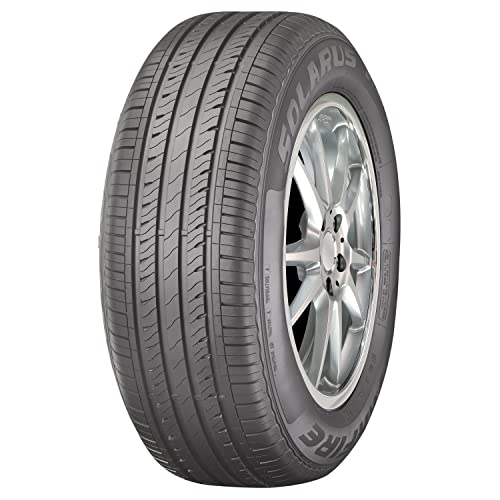
STARFIRE 162003001 Solarus AS All-Season 215/60R16 95V Tire – Everyday Value Pick
Everyday errands put strange wear on tires, but this simple tread pattern handles grocery runs and school drop-offs with ease. You get a reliable grip in light rain, and the rubber compound stays flexible when autumn temperatures drop below fifty degrees. Most suburban drivers do not need heavy off-road blocks, so this symmetric design fits a normal routine.
Fuel economy matters on long commutes, and these lightweight tires reduce rolling resistance better than chunky truck treads. Your gas gauge will drop slower on the highway, which adds up to real savings over six months of driving. Pavement seams and small bumps disappear under the flexible casing, and your spine will thank you after a long day.
Deep winter snow overwhelms these shallow grooves, so you should avoid unplowed mountain passes in January. A light dusting on the driveway is fine, but ice requires genuine winter rubber. Rotate them every five thousand miles, and you will get a solid forty thousand miles of total use.
Pros
- ✔︎Great fuel economy
- ✔︎Quiet on asphalt
- ✔︎Comfortable daily ride
- ✔︎Affordable price point
- ✔︎Flexible in cold weather
Cons
- ✘Poor in deep snow
- ✘Shorter overall tread life
Goodyear 117048646 Ultragrip Performance + Suv 225/60R17 103V All- Season Tire – Winter Storm Specialist
Winter weather tests your nerves, but these dense sipes bite into frozen slush like miniature claws. You can drive past stuck cars on a snowy hill, because the specialized rubber stays sticky in sub-zero temperatures. Heavy SUVs need extra stopping power on black ice, and this European tread design delivers exactly that.
Slush planning happens when snow melts across the fast lane, but these wide evacuation channels spit the white stuff right out. Your steering wheel stays firmly in your hands, and the ABS system kicks in much less often. Cornering on cold asphalt feels secure, and you do not have to crawl around every winter curve.
Dry highway driving makes soft winter rubber wear down faster than standard all-season options. You should swap them back to summer tires once April arrives, or the warm pavement will chew up those delicate biting edges. Store them in a dark garage, and they will easily last four winter seasons.
Pros
- ✔︎Incredible snow grip
- ✔︎Short ice stopping distance
- ✔︎Clears slush fast
- ✔︎Stable winter cornering
- ✔︎Stays soft in freezing cold
Cons
- ✘Wears fast in summer
- ✘Expensive seasonal purchase
GT Radial AS079 Set of 4 (FOUR) Adventuro AT3 A/T Truck/SUV All-Terrain Off-Road – Rugged Trail Explorer

GT Radial AS079 Set of 4 (FOUR) Adventuro AT3 A/T Truck/SUV All-Terrain Off-Road
Check Price onAmazonDirt trails call on weekends, and these chunky tread blocks chew through mud without getting stuck in deep ruts. You can drive down forestry roads to reach your favorite campsite, and thick sidewalls bounce off sharp tree roots safely. Most highway tires would pop on that terrain, but these rugged shoulders take the abuse.
Highway drone usually ruins all-terrain tires, but this pitch sequence keeps road noise down to a low hum at seventy. Your ears will not ring after a two-hour drive to the trailhead, which is a rare treat for aggressive tread. Pavement grip in the rain feels surprisingly secure, and you do not lose control when crossing wet painted lines.
Gravel sticks in the deep grooves, and you will hear small stones clicking against your fender liners at low speeds. Fuel mileage drops by about two miles per gallon, because those massive tread lugs create extra wind resistance. Check your lug nuts after the first hundred miles of dirt driving, to keep everything tight and safe.
Pros
- ✔︎Aggressive mud traction
- ✔︎Tough sidewall protection
- ✔︎Quiet highway design
- ✔︎Good wet asphalt grip
- ✔︎Handles sharp rocks
Cons
- ✘Picks up small gravel
- ✘Lower fuel economy
Quick Comparison
| # | Product Name | Standout Feature | Best For | Our Rating |
|---|---|---|---|---|
| 1 | MICHELIN 28747 Commander II | Stiff sidewall design | Heavy loads | 4.8/5 |
| 2 | Fullway HS266 Set of 4 | Budget radial blocks | City commuting | 4.1/5 |
| 3 | Libra Trailer Parts Free Country | Ten-ply rating | Trailer towing | 4.6/5 |
| 4 | STARFIRE 162003001 Solarus | Lightweight casing | Grocery runs | 4.2/5 |
| 5 | Goodyear 117048646 Ultragrip | Dense winter sipes | Snowstorms | 4.9/5 |
| 6 | GT Radial AS079 Adventuro | Mud-clearing lugs | Dirt trails | 4.5/5 |
What to Look for Before You Buy Best Michelin Tires for Subaru Ascent
Tread Pattern Design
Tread patterns dictate how well your car handles rain, snow, and dry pavement on a daily basis. Symmetrical blocks wear evenly and stay quiet, while directional grooves push water away at high speeds. You should look at your local weather patterns before choosing a specific layout.
Aggressive blocks grab dirt and mud, but they generate a loud buzzing sound on smooth concrete. Smooth highway ribs save fuel, yet they slide around easily on muddy back roads. Pick a design that matches your actual weekly driving routine rather than your weekend fantasies.
Load Capacity Rating
Heavy SUVs require strong sidewalls to support total vehicle weight plus family cargo and luggage. A weak load rating causes excessive tire flex, which generates dangerous heat during long interstate trips. Always check the placard inside your driver door jamb for the correct minimum numbers.
Exceeding the weight limit ruins the contact patch and wears out the outer shoulders prematurely. Commercial-grade or reinforced sidewalls cost extra money, but they keep your heavy vehicle stable during emergency lane changes. You want a safe margin above your curb weight so nothing fails unexpectedly.
Rubber Compound Hardness
Soft rubber sticks to freezing asphalt like glue, but summer heat turns those same tires into sticky erasers. Hard compounds last for fifty thousand miles, yet they lose all traction when the temperature drops below freezing. Finding the right balance keeps your family safe year-round.
All-season blends use clever chemistry to stay flexible in mild winters without melting away on hot highways in July. Dedicated winter tires use extra silica, which makes them completely unsuitable for warm weather use. Pay attention to temperature ratings if you live in an extreme climate.
Sidewall Construction
Sidewalls take constant abuse from deep potholes, sharp curbs, and hidden rocks on unpaved roads. Two-ply casings flex comfortably over bumps, but they puncture easily when you hit a sharp edge at fifty miles per hour. Three-ply construction adds heavy protection where it matters most.
Stiff sidewalls improve cornering response, because the tire does not roll over under hard braking. A softer sidewall provides a plush ride over rough city streets, which protects your delicate interior electronics and cup holders. Inspect your outer rubber for cracks every time you wash the car.
Noise Level Control
Tire whine can turn a peaceful road trip into an exhausting endurance test after two hours. Pitch-optimized tread blocks break up resonant frequencies, so you can actually hear your favorite radio station at seventy miles per hour. Cheap tires often develop a rhythmic roar as they age unevenly.
Open shoulder blocks trap air and create a howling sound that echoes inside a large cabin. Premium manufacturers spend countless hours in acoustic testing labs to eliminate these annoying frequencies. Your ears will appreciate a quiet set of radials on your next interstate drive.
Seasonal Versatility
Swapping tires twice a year costs time and money, so many drivers prefer an all-season compromise. True winter conditions demand dedicated rubber, because standard sipes simply pack up with snow and slide across ice. Think about whether you want the hassle of seasonal storage.
Living in a snowy climate means safety should override convenience every single time. A sudden mountain blizzard can strand you for hours if your tread cannot bite into frozen slush. Invest in proper seasonal gear if your local winters bring heavy accumulation.
- Check your door jamb for correct size specs.
- Match tread patterns to your local climate.
- Inspect load ratings for heavy cargo hauling.
- Prioritize wet grip for sudden rainstorms.
- Balance mileage warranty against upfront cost.
- Verify winter safety if you face deep snow.
Final Thoughts
I hope this guide helps you find the right rubber for your daily drive. Michelin options offer incredible durability, and they handle heavy family cargo without breaking a sweat. Match your budget to the right load rating, and your three-row vehicle will ride smoothly for years. Take your time, check your pressures often, and enjoy every mile ahead on the open road.
Frequently Asked Questions
Is It Safe to Mix Different Tire Brands on My Vehicle?
No, mixing brands ruins handling balance, and you should always match all four corners within 2/32 inches of tread depth.
Can I Install a Wider Tire Size Than the Factory Recommendation?
Yes, a slightly wider contact patch fits fine, but you must avoid rubbing against your inner plastic fender liners during sharp turns.
Do I Need to Get a Wheel Alignment After a New Installation?
Yes, a fresh alignment prevents uneven wear, and most shops require proof of alignment to honor your mileage warranty.
Is It Normal for New Tires to Feel Slightly Squirmy at First?
Yes, fresh mold release lubricant causes a sliding sensation for the first one hundred miles until the outer surface wears off.
Can I Patch a Puncture in the Sidewall Area?
No, sidewall damage compromises structural integrity, and you must replace any tire with a puncture outside the main tread face.
Do I Need Special Tools to Check My Tire Pressure Correctly?
No, a basic digital gauge costs five dollars, and you should check pressures when the rubber is completely cold every month.
Is Tread Life Warranty a Guarantee of Exact Mileage?
No, prorated warranties depend on regular rotations every six thousand miles and proper inflation throughout the entire lifespan.
Can I Drive on Low Pressure for a Short Trip to Town?
No, running underinflated tires generates extreme internal heat, and that destroys the casing within just two miles of driving.
Do I Need to Balance My Wheels Every Time I Rotate Them?
No, balancing is only necessary if you feel a vibration in your steering wheel around sixty-five miles per hour.
Is It Better to Store Spare Tires in a Cold Garage?
No, extreme temperature swings and direct sunlight ruin rubber compounds, so keep your spares in a cool and dry indoor space.