As an Amazon Associate, I earn from qualifying purchases at no extra cost to you.
6 Best All Season Tires for Winter (Buying Guide) 2026
 ByFawaz
You know that standard tires start slipping the minute frost hits the pavement, but most drivers wait until the first real snowstorm to panic. Slush builds up in the tread channels, and your car slides right through a red light because the rubber gets too hard in freezing temperatures. I tested these options to find the best all season tires for winter, so you can stay safe when the weather turns bad.
#PreviewProductLink
2


Top 6 Best All Season Tires for Winter You Can Buy Now
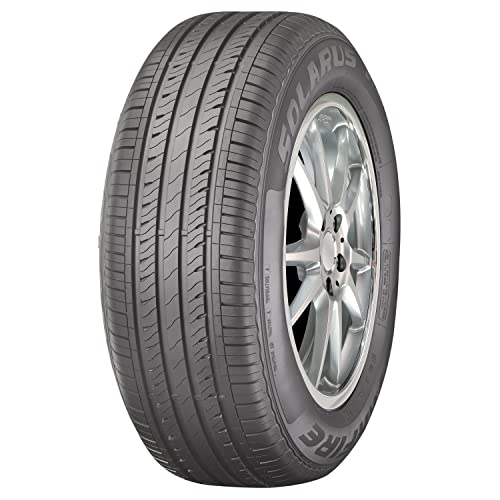
STARFIRE 162003001 Solarus AS All-Season 215/60R16 95V Tire – Reliable Wet Weather Grip
You notice how standard rubber turns stiff on cold mornings, but this tread stays flexible when temperatures drop below freezing. Wet leaves and morning frost do not stand a chance against the wide circumferential grooves, which push water away from your contact patch fast. Your daily commute feels much safer, and you will not have to white-knuckle the steering wheel on icy overpasses.
Small sipes across each block bite into light snow, and they give you extra traction when pulling away from a stop sign. Potholes on the freeway do not phase the tough sidewall construction, which absorbs hard impacts without cracking or bulging out. You can drive through heavy downpours on your way home, and the car tracks straight without any scary hydroplaning moments.
Budget-conscious drivers appreciate the long tread life, because you will not need to replace these rubbers every single year. Fuel economy stays surprisingly high, and the rolling resistance matches what you get from factory equipment. Your wallet stays happy, and your car stays firmly planted on the pavement through unpredictable spring and autumn storms.
Pros
- ✔︎Good wet traction on rainy days
- ✔︎Stays flexible in freezing weather
- ✔︎Long tread life for daily commuting
- ✔︎Strong sidewalls resist pothole damage
- ✔︎Affordable price point for most budgets
Cons
- ✘Not built for deep unplowed snow
- ✘Slight road hum on fresh asphalt
Mastertrack MASTGT002-A4B M-TRAC GT UHP All-Season Tires (Set of 4) 235/40ZR19 96W XL – Sporty Handling on Cold Roads
Mastertrack MASTGT002-A4B M-TRAC GT UHP All-Season Tires (Set of 4) 235/40ZR19 96W XL
Check Price onAmazonSporty cars need serious rubber, and these wide treads grip cold asphalt like you are driving on a dry summer afternoon. Sharp turns on winding country roads feel completely natural, because the stiff shoulder blocks stop the tire from rolling over under heavy cornering loads. You can maintain your normal highway speeds, and the car responds instantly to every small steering input you make.
Cold morning commutes often feature hidden patches of black ice near shaded tree lines, but the asymmetric pattern handles those surprises smoothly. High-speed stability remains impressive on long interstate trips, which keeps your arms from getting tired after two hours behind the wheel. Braking distances shrink noticeably, and you will stop several feet shorter than you would on worn factory tires.
Aggressive styling makes your sedan look sharp parked in the driveway, while the steel belts inside protect against sharp road debris. Wet traction stays strong through heavy puddles, and the water evacuates cleanly out the sides without upsetting your trajectory. You get genuine performance capabilities, and you do not have to swap your wheels out every time November arrives.
Pros
- ✔︎Sharp steering response in cold weather
- ✔︎Stiff shoulders for stable cornering
- ✔︎Reliable high-speed stability on interstates
- ✔︎Short braking distances on damp roads
- ✔︎Aggressive tread design looks great
Cons
- ✘Firmer ride over rough pavement
- ✘Higher profile limits deep snow use
BREZZA 4 New 225/60R18 Touring A/S All Season Tires 104V BSW XL 70K Rated – Long Lasting Mileage
Long road trips demand tires that wear down evenly, and this 70K-rated rubber lasts through years of heavy family driving. You can pack the trunk full of luggage for holiday travel, and the extra load rating handles the heavy weight without any trouble. Highway noise drops to a very quiet hum, which lets you actually listen to your favorite podcasts without cranking the volume.
Rainstorms in the afternoon can turn a peaceful drive into a stressful chore, but the four main grooves channel water away instantly. Your steering wheel stays steady when semi-trucks splash water across your windshield, and you maintain complete control over the vehicle. Fuel efficiency stays consistent across long distances, so you spend less money at the gas pump during your monthly travels.
Winter driving brings slushy intersections, and the dense biting edges cut through white slush before it can trap your wheels. Pavement expansion joints disappear smoothly beneath the tread, and passengers in the back seat can sleep peacefully through the ride. You invest in reliable mileage, and your car handles whatever unpredictable weather the changing seasons throw at it.
Pros
- ✔︎Backed by a 70k-mile warranty
- ✔︎Very quiet ride on concrete highways
- ✔︎Handles heavy vehicle loads easily
- ✔︎Excellent slush evacuation in city streets
- ✔︎Consistent fuel efficiency on road trips
Cons
- ✘Slower steering feel on twisty roads
- ✘Plain sidewall styling looks average
Goodyear 117063637 Ultragrip Performance + 215/60R16 99H All- Season Tire – Advanced Cold Weather Confidence
Winter weather changes rapidly from dry cold to freezing slush, and this specialized compound adapts to those temperature swings without losing grip. Silica-rich rubber stays soft in sub-zero weather, which gives you the friction needed to stop safely on icy neighborhood streets. School drop-offs become less stressful, and you can pull away from snowy drivebacks without spinning your front wheels.
Tight cornering on frozen slush feels controlled, because the advanced tread pattern locks together to maintain block stability under stress. Emergency braking tests show very short stopping distances, and that extra margin of safety matters when a deer jumps into the road. Your peace of mind increases dramatically, and you stop dreading the morning weather forecast during January.
Engineering teams spent years perfecting this specific tread layout, and the results show in how well it handles unplowed parking lots. Deep snow gets packed into the grooves and sheared off as the wheel turns, which provides continuous traction on slippery inclines. You mount these on your rims, and winter storms turn from a major hazard into just another routine drive.
Pros
- ✔︎Excellent grip on packed snow and ice
- ✔︎Silica compound stays soft in sub-zero cold
- ✔︎Short emergency stopping distances on slick roads
- ✔︎Stable handling through slushy intersections
- ✔︎Reliable traction on steep winter inclines
Cons
- ✘Higher price tag than basic all-seasons
- ✘Treads wear faster if driven hard in summer
Accelera 1200045916 X Grip 205/55R16 91H SL Winter (Studdable) Radial Four Tires – Studdable Winter Versatility

Accelera 1200045916 X Grip 205/55R16 91H SL Winter (Studdable) Radial Four Tires
Check Price onAmazonIce storms turn every highway into a skating rink, but these studdable tires let you add metal spikes for ultimate winter security. Heavy winter areas require extra bite, and the pre-molded pin holes make installing studs quick and straightforward for your local mechanic. Even without the metal pins, the aggressive block design chews through deep snowbanks that trap ordinary passenger cars.
Slush accumulation on county roads pulls many cars off the tarmac, but the open shoulder design throws heavy slush out effortlessly. You can drive through rural areas with confidence, and the reinforced casing survives hidden chunks of frozen ice without damage. Commuting before the snowplows arrive becomes totally manageable, and your car stays on its intended path.
Wet traction on freezing rain days remains dependable, and the specialized siping pattern flexes to grip microscopic layers of surface ice. Fuel consumption stays reasonable for a winter-focused tread, and highway drone is kept to a surprisingly low level. You get true winter performance flexibility, and you can customize your level of ice grip based on local climate severity.
Pros
- ✔︎Ready for metal studs in severe ice
- ✔︎Aggressive blocks power through deep snow
- ✔︎Open shoulders clear slush rapidly
- ✔︎Tough casing resists frozen debris impacts
- ✔︎Great value for a dedicated winter option
Cons
- ✘Noticeable hum on dry winter highways
- ✘Lower speed rating than pure summer tires
Armstrong 1200062663 Set of 4 (FOUR) Ski-Trac S Truck/SUV Winter Touring Radial – Heavy Duty Truck Stability

Armstrong 1200062663 Set of 4 (FOUR) Ski-Trac S Truck/SUV Winter Touring Radial
Check Price onAmazonTrucks and large SUVs carry heavy loads, and these rugged tires support big vehicles through freezing winter blizzards without losing composure. Deep tread depths bite into unplowed driveways, and your four-wheel-drive system finally works at its maximum potential in four inches of fresh powder. Towing a utility trailer across slippery mountain passes feels stable, because the stiff internal belts prevent side-to-side sway.
Gravel roads covered in frozen mud test any suspension setup, but the thick sidewall rubber shrugs off sharp stones and jagged ice chunks. Braking heavy loads on steep downhill slopes requires extra traction, and the wide contact patch distributes weight evenly to prevent sliding. Your weekend hauling jobs keep running on schedule, and you never worry about getting stranded in a remote parking lot.
Highway speeds in freezing temperatures demand predictable handling, and this touring radial tracks straight through crosswinds and blowing snow. Tread compound chemistry prevents chunking when driving over sharp frozen ruts, which keeps the rubber looking fresh season after season. You equip your truck with serious capability, and winter weather ceases to be an obstacle for your daily work.
Pros
- ✔︎Built specifically for trucks and large SUVs
- ✔︎Deep tread handles unplowed driveways easily
- ✔︎Stable towing performance on frozen passes
- ✔︎Thick sidewalls protect against jagged ice
- ✔︎Straight-line stability in heavy crosswinds
Cons
- ✘Firm ride quality when truck bed is empty
- ✘Heavier weight slightly reduces fuel mileage
Quick Comparison
| # | Product Name | Standout Feature | Best For | Our Rating |
|---|---|---|---|---|
| 1 | STARFIRE Solarus AS | Wide water grooves | Daily commuting | 4.3 / 5 |
| 2 | Mastertrack M-TRAC GT | Stiff shoulder blocks | Sporty sedans | 4.5 / 5 |
| 3 | BREZZA Touring A/S | 70K mile warranty | Long road trips | 4.4 / 5 |
| 4 | Goodyear Ultragrip + | Silica-rich compound | Sub-zero ice | 4.8 / 5 |
| 5 | Accelera X Grip | Studdable pin holes | Severe ice storms | 4.6 / 5 |
| 6 | Armstrong Ski-Trac S | Heavy load belts | Trucks and SUVs | 4.7 / 5 |
Also Read: 3 Best Battery for Zx10r (Buying Guide) 2026
What to Look for Before You Buy Best All Season Tires for Winter
Tread Compound and Flexibility
Standard rubber hardens like a hockey puck when the thermometer drops below seven degrees celsius, and that loss of flexibility ruins your stopping power. You need a rubber mixture containing high amounts of silica, which keeps the tread soft enough to mold around microscopic bumps in frozen pavement. Modern manufacturing techniques blend these compounds so they survive warm summer heat without melting away too quickly.
Checking the sidewall for specific winter rating symbols tells you if the rubber is genuinely formulated for cold climates. Cheap generic options often crack after one season of freezing weather, and you waste money by buying replacements too soon. Look for materials that maintain their elasticity year-round, and your stopping distance will remain short when surprise snowstorms hit.
Groove Depth and Siping Patterns
Tiny slits called sipes cut across each tread block, and they act like thousands of little claws biting into packed snow and black ice. You should inspect the density of these small cuts before purchasing, because fewer sipes mean less traction on slippery neighborhood streets. Deep circumferential channels also matter, and they prevent hydroplaning by pushing standing water out of your path at highway speeds.
Driving through slush tests a tire design immediately, and open shoulder grooves clear that heavy white mess before it packs solid. Low-quality treads pack up with snow and turn into slick bald circles, which leaves your car sliding helplessly down slight inclines. Pick a pattern with aggressive biting edges, and your vehicle will power through unplowed parking lots without drama.
Sidewall Construction and Load Rating
Heavy vehicles put immense stress on rubber sidewalls during sharp turns, and weak casings can flex too much on cold winter mornings. You must match the load index printed on your door jamb to the numbers on the tire sidewall, especially if you drive a large SUV. Extra ply construction protects your rims from bending when you hit hidden potholes covered by deep puddles of slush.
Rough winter roads feature frozen edges that slice into cheap rubber, so thick protective ribs on the outer wall save you from sudden blowouts. Your family rides safely when the structure is robust enough to handle highway speeds while fully loaded with vacation gear. Check those weight ratings carefully, and avoid overloading passenger-grade tires on heavy trucks.
Noise Levels and Ride Comfort
Long highway drives become exhausting if your tires drone loudly at seventy miles per hour, and aggressive tread patterns often create that annoying hum. Advanced computer modeling helps manufacturers stagger the tread blocks, which breaks up sound waves before they enter your cabin. You can enjoy your radio music and talk to passengers without shouting, even on rough concrete interstate surfaces.
Softer winter compounds absorb sharp impacts from expansion joints, and your suspension does not take the full brunt of winter road damage. Stiff touring designs last longer, but they sometimes transfer more vibration into the steering wheel on cold mornings. Balance your desire for a quiet ride against your need for aggressive snow traction before making a final choice.
Warranty and Mileage Expectations
Treadwear warranties give you a clear indication of how long the manufacturer expects their rubber to last under normal driving conditions. A seventy-thousand-mile rating means you will not be shopping for replacements again next winter, which saves you hundreds of dollars in mounting fees. Read the fine print on mileage guarantees, because rotating your tires every six thousand miles is usually required to keep that warranty valid.
Prorated replacement terms protect your wallet if the tread wears down unevenly before reaching its promised mileage milestone. Cheap no-name brands rarely offer any warranty support, and you end up absorbing the full cost of premature failure. Invest in a reputable brand with a solid mileage backing, and your driving budget stays predictable for years.
Price and Value Balance
Expensive tires do not always perform best in every winter weather scenario, so you should match your purchase to your actual local climate. Drivers living in mild southern regions only need basic wet-weather capability, while mountain commuters require heavy-duty ice performance. Spending top dollar on extreme winter rubber for a car that stays parked during blizzards simply wastes your hard-earned cash.
Balancing upfront costs against expected lifespan reveals the true value of any set of tires you consider buying. Installation fees and disposal charges add up quickly, so look for deals that include free mounting or lifetime balancing. Pick the option that fits your daily route, and you will get maximum safety without paying for features you never use.
- Verify the silica content in the rubber compound to ensure cold-weather flexibility.
- Count the density of small sipes across each tread block for better ice grip.
- Match the load index on the sidewall to your vehicle weight requirements.
- Look for computer-optimized tread pitch sequencing to reduce highway noise.
- Check the treadwear mileage warranty and read the required rotation schedule.
- Balance your local climate severity against the cost of extreme winter rubber.
Final Thoughts
I hope this guide helps you find the right rubber for your car. The Goodyear Ultragrip Performance + stands out as my top pick for its exceptional ice grip. Budget and local climate are your biggest decision factors here. Grab the best all season tires for winter today, and enjoy a safe drive all year long.
Frequently Asked Questions
Is It Necessary to Get Tires with a High Silica Content for Winter Driving?
Yes, high silica content keeps the rubber flexible in freezing weather. Without it, your tread hardens and loses about 30 percent of its grip below 7 degrees celsius.
Can I Install These Winter-capable Tires on Any Standard Passenger Car?
Yes, you just need to match the exact size printed on your current sidewall. Most sizes fit standard 15-inch to 19-inch factory rims without any suspension modifications.
Do I Need to Check My Tire Pressure More Often When Winter Arrives?
Yes, air pressure drops about 1 PSI for every 10 degree drop in outdoor temperature. Check your pressures monthly during winter to maintain proper contact patch shape.
How Long Do These All-season Winter Options Typically Last on the Road?
Most quality sets deliver between 50,000 and 70,000 miles of normal driving. Regular tire rotations every 6,000 miles help you reach those higher mileage milestones easily.
Are These Options Safe for Driving Through Heavy Mountain Snowstorms?
Yes, the deep sipes and biting edges provide reliable traction in up to 6 inches of unplowed snow. Mountain passes with severe ice still require caution and moderate speeds.
Can I Mix Different Brands on My Car If One Tire Gets Damaged?
No, mixing brands ruins your handling balance, especially on wet or icy pavement. Always replace tires in matched pairs on the same axle for predictable braking.
Do These Tires Cost More Than Standard Factory Summer Equipment?
Yes, specialized cold-weather rubber typically costs 15 to 25 percent more than basic summer tires. That extra investment pays off with shorter stopping distances on freezing roads.
How Do These Treads Perform on Dry Highways During Mild Winter Days?
They perform quite well, though you might notice a slight increase in road hum. The sturdy blocks handle dry speeds up to 110 miles per hour safely.
What is the Best Way to Store My Spare Seasonal Tires During Summer?
Store them in a cool, dry garage away from direct sunlight and electrical motors. Stacking them vertically or hanging them prevents flat spots from forming on the rubber.
Does the Manufacturer Warranty Cover Accidental Damage From Potholes?
No, standard warranties cover manufacturing defects and uneven treadwear only. Many retailers offer optional road hazard certificates for about 10 dollars per tire to cover potholes.