As an Amazon Associate, I earn from qualifying purchases at no extra cost to you.
How Can I Fix a Bubble in My Tire (Expert Advice)
 ByFawaz
Often, a small bump on your tire sidewall looks like a minor, harmless flaw, but that bubble is a cry for help. You might want to ignore it, keep driving, or hope it goes away, but that lump is a ticking time bomb. Let us talk about why this happens and what you must do to keep your car safe today.
You need to know that a bubble, technically called a sidewall separation, means the tire inner liner has failed. This lets air seep between the layers, causing that unsightly bulge. You cannot fix this with patches, glue, or any other home remedy. The structure is compromised, so replace the tire as soon as you can to avoid a dangerous highway blowout later.
Why Does My Tire Have a Bubble?
Road damage, deep potholes, and rough curbs often cause these bubbles to pop up on your car tires.
Impact with a Pothole
Hitting a deep, sharp pothole at speed can snap the internal cords of your tire. This damage creates a weak spot, and the air pressure pushes the rubber out. It is like a balloon with a thin spot, and it will eventually burst under heat or pressure, so check your wheels for damage after any hard road impact today.
Curb Side Scuffs
Rubbing against a curb might look like a small scrape, but it can tear the inner fibers of your tire sidewall. You might not see the damage right away, but the bubble grows as air pushes through the gap. Keep a close eye on your tires if you often park near curbs, as damage stays hidden.
Manufacturing Quality Issues
Sometimes a tire leaves the factory with a bad bond between the layers of rubber and cord. This defect usually shows up early in the life of the tire, so check your warranty terms. If the tire looks perfect otherwise, talk to the shop about a claim, but do not count on getting a free replacement from them.
Low Tire Pressure
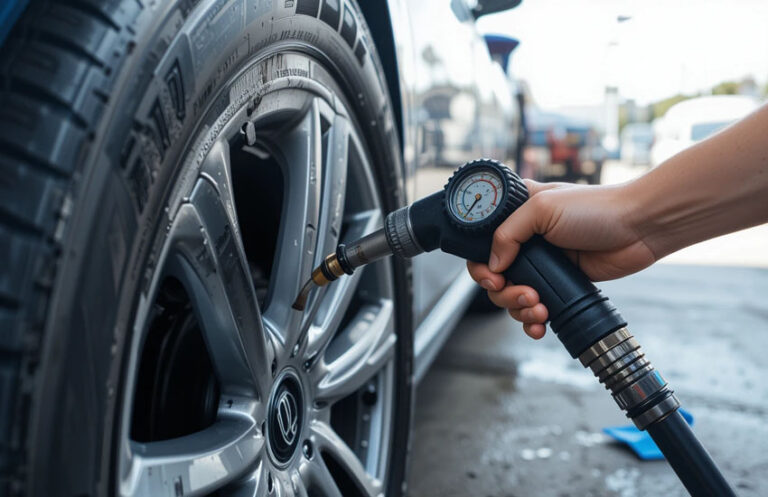
Driving on a tire that is low on air makes the sidewall flex way more than it should. This constant bending stresses the internal cords and causes them to snap over time. Always keep your tire pressure at the right level, check your door jamb sticker, and avoid the risk of premature, messy sidewall bubbles appearing soon.
Heat Damage Exposure
Extreme heat from the road or heavy loads can weaken the glue holding your tire together. This heat makes the rubber soft and prone to separating under the weight of your vehicle. If you carry heavy loads in your truck or car, make sure you keep your tire pressure up to help manage that extra heat buildup.
Old Tire Age
Tires get brittle as they age, and their internal bonds lose their strength. Even if your tread looks thick, the rubber inside can simply give up after six or seven years. Check the date code on your sidewall, and replace old tires before they develop bubbles or cause you trouble on the road while driving.
If you spot a bubble, stay calm, and change the tire immediately to the spare. Driving on a bubble is risky, as it can fail at any time, especially on the highway. Do not try to keep driving.
- Change to the spare tire to stay safe while driving.
- Avoid highway speeds if you must drive to the shop.
- Ask a local mechanic to check for internal wheel damage.
- Replace the damaged tire with a new, matching tire model.
- Check your other three tires for any signs of wear.
- Monitor your tire air pressure at least once every month.
How Can I Fix a Bubble in My Tire Replacement Steps
Replacing the tire is the only safe way to deal with a sidewall bubble, so do not try to patch it, as that will not work.
Consult a Pro
Talk to a tire expert about your specific tire size and type before you buy anything new. They will look at your current tires, check the wear, and tell you if you need just one new tire or a pair. Getting the right match keeps your car balanced, and it makes sure your car drives smoothly today.
Inspect the Rim
Check your wheel rim for cracks or bends that might have caused the bubble in the first place. If the rim is damaged, a new tire will just get a bubble too. Take the wheel to a shop, ask them to spin it, and make sure it is straight before you mount a new, expensive tire.
Remove the Wheel
Jack up your car safely on a flat, hard surface, and take the lug nuts off with a wrench. Make sure you use a jack stand to hold the weight of the car while you work. Do not rely on just the car jack alone, as that is not safe for anyone working nearby.
Swap the Tire
Take your wheel to a shop to have them remove the old tire and mount a new one. They have machines that do this fast, without scratching your expensive rims. Trying to pry a tire off by hand is hard, it takes a long time, and you will likely hurt yourself or your rim.
Balance the Wheel
Ask the shop to balance the new tire so your steering wheel does not shake at high speeds. Balancing adds small weights to the rim, and it keeps the car riding steady. This is a quick step, it costs very little, and it saves your suspension parts from wearing out much faster than normal.
Install the Wheel
Put the wheel back on the car, tighten the lug nuts in a star pattern, and check them again after driving ten miles. Make sure they are tight, but do not use a long pipe to force them. Proper torque keeps the wheel safe, and it stops the studs from snapping under too much pressure.
- Use a proper jack and sturdy, safe jack stands.
- Take the wheel to a shop for tire mounting.
- Ensure the new tire matches the size of others.
- Check your lug nuts twice after installing the wheel.
- Buy a new tire to ensure your road safety.
You must accept that a bubble is a permanent failure. You cannot repair the internal cords that have snapped, so please do not try to save money by ignoring it. Safety is worth more than the cost of a new tire, so just get it replaced, and keep your family safe on the road every single day.
Is It Safe to Keep Driving on a Bubble?
Driving on a tire with a bubble is never safe, so stop doing it right now. The bubble shows that the internal structure has failed. The tire could blow out at any moment, especially if you drive fast or hit a bump. That sudden failure makes the car hard to control, which puts you and others at risk.
You should change the tire immediately to your spare. If you do not have a spare, call a tow truck to take the car to a shop. Do not risk a blowout on the highway, as it is scary and expensive. Replacing a tire is much cheaper than fixing a car after a crash or paying for expensive tow fees.
Safety is the most important thing when you deal with tire damage. You might feel like you can make it to the shop, but you are gambling with your life. A tire blowout happens in a split second, and you cannot stop it once it starts. Put the spare on, and drive slowly to the shop for a new tire.
Tires with bubbles are unpredictable, and they do not follow any schedule for when they might fail. You could drive for miles, or you could fail in a few minutes. That uncertainty is not worth the risk, so please take the bubble seriously. Get it fixed today, and you can drive with peace of mind again.
- Blowouts can happen at any speed without any warning.
- Control of the car becomes difficult during a blowout.
- Spare tires are the only safe way to continue.
- Towing is cheaper than fixing a crashed car body.
- Risking your life for a tire is not smart.
How Much Does a New Tire Cost?
Most tires cost between one hundred and two hundred dollars, depending on the brand and the size you need for your vehicle. You might pay more for high-performance tires or truck tires with deep tread. Always call a few local shops to get prices, as costs change based on where you live and which brand they have in stock.
Keep in mind that you might need to buy two tires if your other tires have worn down quite a bit. Replacing only one tire on an all-wheel-drive car can cause issues with the drivetrain, so ask your mechanic if you need a matching pair. This adds to the cost, but it keeps your car running perfectly for years.
Budgeting for a new tire is easier when you consider that it protects your car and your life. You can often find sales or rebates if you look online, so check the websites of major tire shops before you go. Sometimes they offer free installation or balance if you buy a full set of four tires for your car.
Avoid buying used tires to save money, as you never know if they have internal damage like the one you are replacing. A used tire might look fine on the surface, but it could have the same bubble issue hiding inside. Buy new, get a warranty, and enjoy the peace of mind that comes with fresh rubber.
- Budget about two hundred dollars for a single tire.
- Matching pairs might be required for all-wheel-drive systems.
- Shop around to find the best local tire deals.
- Avoid used tires to prevent future safety concerns.
- Check for shop rebates to save on your purchase.
Should I Check My Alignment After Replacing a Tire?
Checking your alignment is a very smart move after you replace a damaged tire. Potholes that cause bubbles also knock your wheels out of alignment. If your car pulls to one side, or if your steering wheel sits at an angle, your alignment is definitely off. Fix it early to stop your new tire from wearing out in a few weeks.
Alignment costs vary, but it usually runs around one hundred dollars, and it saves you money in the long run. A bad alignment wears down your tires unevenly, forcing you to buy new ones much sooner than you expect. It is an easy way to protect your investment, so just ask the shop to check it for you.
You will notice a better ride quality once the wheels are aligned properly. The car will track straight on the road, and you will not have to fight the steering wheel. It makes driving much more relaxing, and it gives you a chance to catch other suspension problems before they turn into something that costs a lot more money.
Take your car to a shop that specializes in alignment, as they have the right tools to get it perfect. Do not try to guess or do this at home. A good alignment shop uses lasers and computers to make sure your wheels are straight. It takes about an hour, and it keeps your tires lasting a long time.
- Alignment prevents your new tire from wearing out fast.
- Potholes cause bad alignment as well as tire bubbles.
- Steering becomes much easier after a proper wheel alignment.
- Alignment costs are small compared to replacing tires early.
- Professional shops use lasers to get your alignment right.
Will My Insurance Cover the Tire Damage?
Insurance companies usually do not cover tire bubbles unless you also have significant damage to your rim or suspension from an accident. A simple bubble is considered wear and tear or road hazard damage. Unless you have a special road hazard warranty that you bought when you got the tires, you will likely have to pay for the new tire yourself.
Check your paperwork from when you first bought the tires, as many shops include a road hazard warranty for free. This warranty often covers the cost of a replacement if you hit a pothole or a curb. If you have this, call the shop where you bought the tires, and see if they can help you with a claim today.
Do not expect your general car insurance to pay for this, as the deductible is usually way higher than the cost of one tire. It just is not worth making a claim for such a small amount. Paying out of pocket is the fastest, easiest way to get back on the road, and it keeps your insurance rates low.
If you have a very new car, check the factory warranty, as some manufacturers offer protection for the first few thousand miles. It is a long shot, but it does not hurt to ask the dealer. Be ready to pay for it yourself, though, as that is the reality for most drivers dealing with a pesky tire bubble.
- Insurance rarely covers a tire bubble from road hazards.
- Road hazard warranties from tire shops often cover costs.
- Deductibles are usually higher than the price of tires.
- Factory warranties might help if the car is new.
- Plan to pay for this repair out of pocket.
Final Thoughts
Hopefully, you now know that a bubble is serious and requires a quick replacement. Your safety matters more than a tire, so please act fast. Do not ignore that bulge, as it will not fix itself. Take the car to a shop, get a new tire, and keep your wheels rolling straight. Stay safe and enjoy your time on the road today.
| Symptom | Likely Cause | What To Do |
|---|---|---|
| Tire bubble | Cord failure | Replace tire |
| Vibration | Uneven wear | Get alignment |
| Pulling | Bad alignment | Adjust wheels |
| Noise | Worn tread | Check depth |
| Scrapes | Curb impact | Inspect rim |
| Soft spot | Air leak | Check pressure |
| Shaking | Lost weight | Balance wheel |
| Crack | Old rubber | Replace tire |
| Bulge | Pothole hit | Visit shop |
| Low air | Small leak | Check tire |
Frequently Asked Questions
Is a Tire Bubble Dangerous?
Yes, a tire bubble is very dangerous because it shows that the internal structure has failed. The tire could blow out at any moment, especially on a hot road or at highway speeds, which makes your car hard to control.
Can I Repair a Tire Bubble?
No, you cannot repair a tire bubble because the internal cords of the tire are snapped. No patch or glue can fix this damage, so you must buy a new tire to keep yourself and your passengers safe while driving.
Are Tire Bubbles Common?
It depends, but they happen quite often if you hit large potholes or scrape your tires against curbs. If you drive on rough roads or park near curbs, your tires are much more likely to develop these bubbles.
Do I Need to Replace Both Front Tires?
It depends, but you usually should replace both tires if they are worn down or if you have an all-wheel-drive car. Matching tires on an axle keep the car balanced and prevent damage to your vehicle drive system.
Should I Keep Driving on a Bubble?
No, you should never keep driving on a tire with a bubble. It could fail at any time without warning, and a blowout is far more dangerous and expensive than buying a new tire from a local shop.
Will a Bubble Go Away with More Air?
No, adding more air will not fix a bubble and will likely make it worse. The air is already escaping into the sidewall layers, and adding more pressure only increases the stress on that weak, damaged rubber spot.
Does My Insurance Cover Tire Bubbles?
It depends, but most insurance plans do not cover road hazard damage like bubbles. Unless you have a specific road hazard warranty from the tire shop, you will probably have to pay for the replacement tire yourself today.