As an Amazon Associate, I earn from qualifying purchases at no extra cost to you.
6 Best Dash Cam for Teenage Drivers in 2025 That Parents Trust
 ByFawaz
Teen drivers crash more in their first year than any other age group. I learned this when my neighbor's son was blamed for an accident he did not cause. A simple dash cam changed everything. It proved the truth in minutes. That small camera became a quiet safety net, not a spy tool. This guide breaks down the smartest dash cams that actually help teen drivers grow safer and more confident.
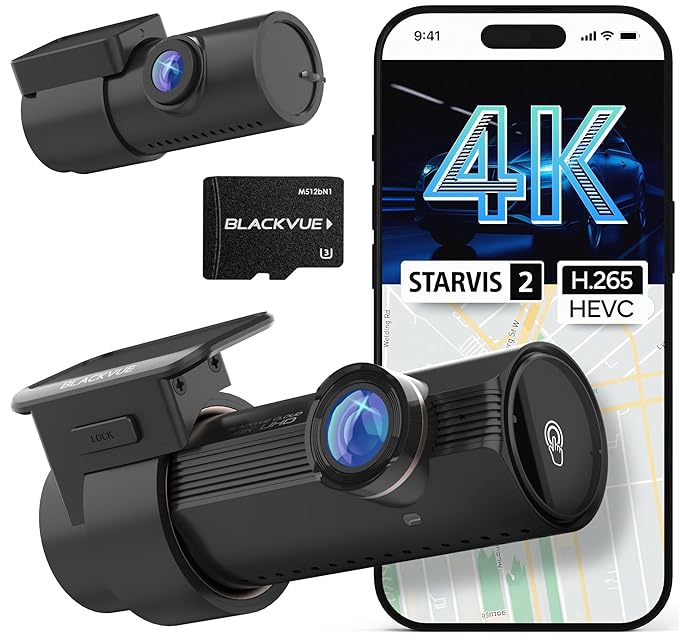


Choose a dash cam with clear front video first, then add rear or cabin only if truly needed, hardwire it for parking protection, use a high endurance memory card, mount it behind the mirror to avoid distraction, review clips together monthly, adjust alerts gently, and treat the camera as a learning tool not a punishment device.
Top 6 Best Dash Cam for Teenage Drivers That Parents Trust
BlackVue DR970X 2CH Plus II Dash Cam
If peace of mind is your top goal, this dash cam feels like a quiet guardian. BlackVue focuses less on screens and more on smart recording. The front camera captures true 4K video with excellent clarity, even at night. License plates stay readable, which matters most after an accident. The rear camera fills in the story from behind, so there are no blind spots during rear end collisions or parking lot bumps.
What really sets this model apart is cloud access. With an optional LTE module, parents can receive alerts when an impact happens. You can also check location history and review clips remotely. That sounds intense, but in practice it is more about reassurance than control. Teens usually forget it is even there because there is no flashing screen.
Installation is clean and distraction free. Since there is no display, it hides behind the mirror perfectly. Use plastic pry tools when routing the cable along trim. If you must use a metal key, wrap it with tape to avoid scratches. Parking mode works best when hardwired, especially for school lots and malls.
This dash cam fits families who value accountability and safety evidence more than gadget fun. It quietly does its job, day after day, without tempting teens to touch it while driving.
- Excellent 4K front clarity day and night
- Optional cloud alerts for parents
- No screen means less distraction
- Best when hardwired for parking mode
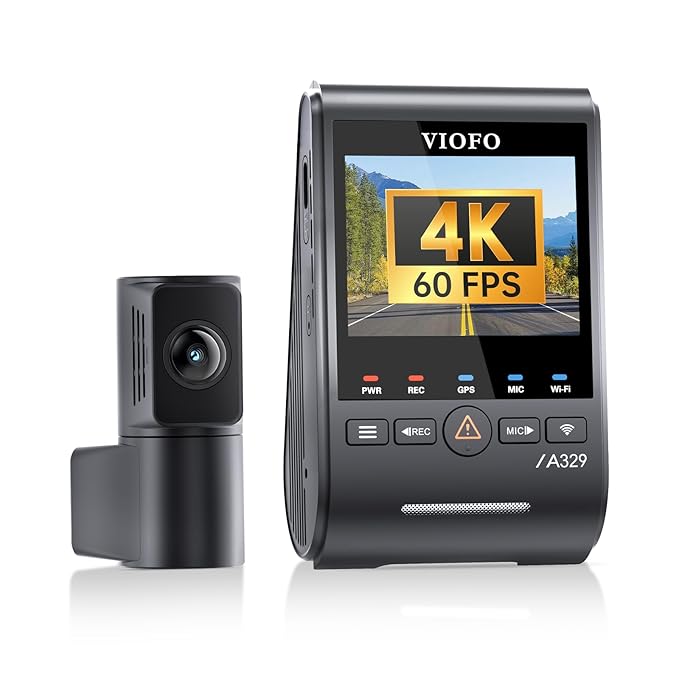
VIOFO A329S 4K 60FPS Dash Cam
The VIOFO A329S is all about visual detail and smooth motion. Recording at 4K with 60 frames per second makes a real difference when reviewing fast moments like lane changes or sudden braking. For teen drivers, that smoothness helps explain what actually happened instead of guessing based on blurry frames.
This model gives flexibility. You can run it as a front only setup or add a rear camera later. The WiFi connection is fast, so pulling clips to a phone does not feel like a chore. That matters because if reviewing footage feels annoying, parents stop doing it. Voice control also helps teens keep hands on the wheel.
Parking mode is strong, but it shines most when paired with proper hardwiring. It records impacts and motion while the car is parked, which is helpful in crowded school lots. Heat handling is solid, so it survives summer dashboards better than cheaper models.
This dash cam works well for families who want high quality footage and hands on learning. Reviewing clips together becomes easier because the video is smooth, clear, and easy to scrub through without frustration.
- Very smooth 4K 60fps video
- Fast WiFi for easy clip sharing
- Expandable with rear camera
- Great balance of performance and control
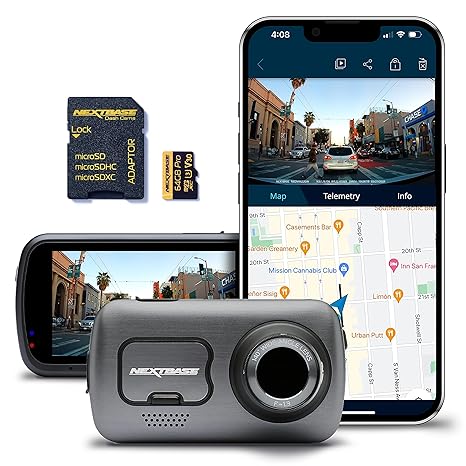
Nextbase 622GW Dash Cam
The Nextbase 622GW feels familiar, almost like using a small phone on your windshield. The touchscreen makes playback simple, which is great for teens who learn visually. After a close call, you can replay the moment right in the car and talk it through calmly.
Video quality is sharp in 4K, and image stabilization helps keep footage readable on bumpy roads. This matters for teen drivers who may drive on uneven local streets more than highways. Built in GPS logs speed and location, adding helpful context without nagging alerts.
One standout feature is emergency response. In a serious crash, the camera can trigger an SOS feature when paired with a phone. That adds another layer of safety beyond recording alone. However, rear cameras are usually sold separately, so budget planning matters.
Because it has a screen, placement is important. Mount it high behind the mirror so it does not distract. Take extra care during installation using plastic pry tools, and only use a taped metal key if needed for tight trim gaps.
This dash cam suits teens who benefit from immediate feedback and parents who want easy in car review without pulling out phones.
- Touchscreen makes playback simple
- Stabilized 4K video on rough roads
- Emergency SOS support
- Rear camera usually sold separately
Garmin Dash Cam 67W
The Garmin 67W is perfect for families who want simple and reliable. It does not overwhelm teens with settings or flashy features. Instead, it quietly records clear 1440p video with a very wide field of view. That wide angle helps capture intersections and side impacts clearly.
One of its strengths is driver alerts. It can warn about lane departure or forward collisions. These alerts are gentle reminders, not loud scolding sounds. For new drivers, that extra nudge can build awareness without causing panic.
The compact size is a big win. It hides almost completely behind the mirror. Teens rarely notice it once installed. Parking guard mode can record bumps while parked, though it works best with constant power. Battery only modes are limited, so hardwiring is recommended.
This dash cam does not aim to be cinematic. Instead, it focuses on consistency and ease. Parents who want something install once and forget will appreciate it. Teens who get distracted easily will too.
- Very small and discreet design
- Helpful but gentle driver alerts
- Wide angle captures intersections well
- Best for simple daily protection
REDTIGER F17 Dash Cam Front Rear Cabin
The REDTIGER F17 is about full coverage. It records the road ahead, the rear, and the cabin all at once. For teens who carpool or drive siblings, that interior camera adds clarity during disputes or incidents involving passengers.
Video quality is solid rather than stunning. It focuses on capturing everything clearly enough to tell the story. The built in screen helps with quick checks, while WiFi allows phone access when needed. GPS data adds speed and location context, which is useful during reviews.
Installation takes more time due to extra cameras. Take it slow and plan cable routes. Use plastic pry tools along door seals and headliners. If a tight clip resists, a taped metal key can help without damaging trim.
This dash cam fits families who want accountability inside and outside the car. It works best when expectations are discussed openly, so teens understand the interior camera is about safety, not spying.
- Three channel coverage inside and out
- Built in screen and GPS
- Good value for full coverage
- Requires careful installation planning
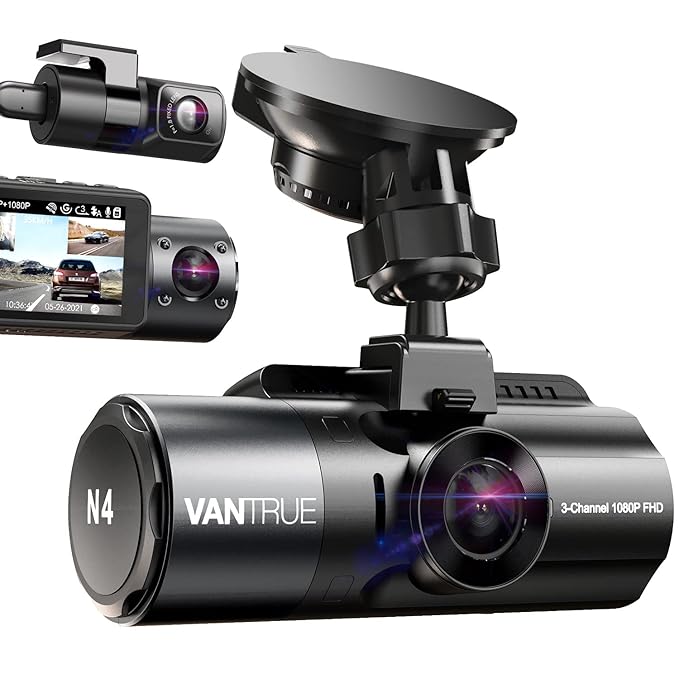
Vantrue N4 4K 3 Channel Dash Cam
The Vantrue N4 has become popular for one reason. It captures everything. Front, rear, and cabin views create a complete picture during any incident. The interior camera uses infrared lights, so it works even at night without blinding drivers.
The front video is very sharp, and while it is not always true 4K in every mode, it is detailed enough for plates and signals. Super capacitor power means better durability in hot and cold weather, which is ideal for teen driven cars that sit outside all day.
Parking mode is reliable when hardwired. It records motion and impacts, making it useful for apartments and school lots. The lack of cloud features keeps things simple and private.
This dash cam suits parents who want full evidence without subscriptions. It also works well for teens who drive often at night or in busy areas.
- Infrared cabin camera for night driving
- Durable capacitor design
- Strong parking mode when hardwired
- No subscriptions required
Choosing the Top 6 best dash cam for teenage drivers is about trust, clarity, and calm guidance. Pick a camera that matches your family style, install it cleanly, review footage together, and use it as a teaching tool rather than a threat.
| Action | Details | Helpful Tip |
|---|---|---|
| Choose resolution | Prioritize clear front video | 4K helps with plates |
| Decide camera count | Front only or multi channel | More cameras mean more wiring |
| Install safely | Route cables carefully | Prefer plastic pry tools |
| Power choice | Hardwire for parking mode | Battery only is limited |
| Memory card | Use high endurance cards | Avoid cheap generic cards |
| Review habit | Monthly clip review | Keep tone calm and supportive |
| Alerts setup | Adjust sensitivity | Avoid constant beeping |
Things to Consider Before Buying Dash Cam for Teenage Drivers That Really Matter
Video clarity and real world visibility
Video quality is the first thing parents notice on a box, yet many miss what truly matters. For teenage drivers, clarity means being able to read license plates, traffic lights, and road signs in motion. A camera that looks sharp while parked but blurs when cars move fast will fail when it matters most. Look for strong front camera resolution and good low light performance since many teens drive early mornings or evenings.
Equally important is frame rate. Higher frame rates capture smoother motion, which helps explain sudden braking or lane changes. This becomes very helpful when reviewing close calls together. However, chasing extreme specs without balance can raise costs without added value. Focus on consistency rather than flashy numbers.
Field of view also matters. Wide lenses capture intersections and side traffic, but lenses that are too wide can distort distance. A balanced wide angle helps teens understand spacing better when reviewing clips.
Finally, check glare handling. Sun glare through windshields is common, especially during school drop offs. Cameras with good exposure control make footage usable instead of washed out.
- Prioritize clear front video over extra cameras
- Look for good night and glare performance
- Balance wide angle with realistic distance
- Smooth motion helps explain incidents
Camera placement and driver distraction
A dash cam should protect a teen, not distract them. Placement is just as important as features. The best spot is high on the windshield, directly behind the rearview mirror. This keeps the camera out of sight and away from wandering eyes. A low mounted camera can pull attention away from the road, especially for new drivers still building focus habits.
Screens deserve extra thought. Cameras with large displays may tempt teens to tap or glance at them while driving. Smaller screens or screenless designs reduce this risk. If a screen exists, turn off always on display settings. Playback can wait until the car is parked.
Installation also plays a role in distraction. Loose wires hanging down can annoy drivers and become a safety issue. When routing cables, always use plastic pry tools along trim edges. If a tight clip refuses to open, a metal key wrapped with tape can help safely without damage.
A clean install makes the camera disappear into the car. When teens forget it is there, it does its job best.
- Mount behind the mirror for safety
- Avoid large bright screens
- Secure all cables cleanly
- Reduce temptation to interact
Parking mode and power options
Parking lots are where many teen car incidents happen. Door dings, shopping carts, and low speed bumps often go unnoticed. Parking mode allows the dash cam to record when the car is off, but it only works well with the right power setup. Battery powered modes alone rarely last long enough.
Hardwiring connects the camera to constant power safely. This enables motion or impact recording even overnight. While it sounds complex, careful routing makes it manageable. Use plastic pry tools to tuck wires neatly along door seals and headliners. Take your time and avoid rushing.
Voltage cutoff protection is essential. It prevents draining the car battery too low. Most quality dash cams include this feature or offer it through a hardwire kit. Without it, parking mode can cause starting issues.
Talk to teens about parking mode openly. Explain it records events, not conversations. Transparency builds trust and reduces resistance.
- Parking mode protects unattended cars
- Hardwiring improves reliability
- Voltage cutoff prevents battery drain
- Clear communication builds trust
Memory cards and storage habits
The memory card is the most overlooked part of a dash cam setup. Regular cards fail quickly under constant writing. High endurance cards are designed for this job and last much longer. Skipping this step often leads to missing footage right when it is needed.
Storage size also matters. Larger cards hold more footage before looping. This gives parents time to review clips without rushing. However, extremely large cards can slow file management on cheaper cameras. Balance capacity with compatibility.
Set a simple habit for reviewing and formatting cards. Monthly checks catch issues early. Sit with your teen and review any alerts or saved clips together. Keep the tone calm and focused on learning rather than fault finding.
Never remove the card while the camera is recording. Teach teens how to safely power off the unit first. These small habits protect data integrity long term.
- Use high endurance memory cards only
- Choose balanced storage size
- Review and format monthly
- Teach safe handling habits
Privacy, trust, and interior cameras
Interior cameras raise the most questions. While they add clarity during passenger disputes or incidents, they also affect trust. Before buying, decide if interior recording is truly needed. Teens who often drive friends or siblings may benefit from it. Others may not.
If you choose an interior camera, explain its purpose clearly. Focus on safety, not monitoring behavior. Disable audio recording if local laws are unclear. This reduces legal and trust concerns.
Night driving is another factor. Interior cameras with infrared lighting capture clear images without distracting the driver. Avoid models with visible bright lights that reflect off glass.
Revisit this decision as teens gain experience. What makes sense during the first year may not be necessary later. Flexibility matters.
- Decide if interior recording is necessary
- Communicate purpose openly
- Consider night visibility features
- Adjust setup as teens mature
Ease of use and long term reliability
A dash cam that is hard to use will eventually be ignored. Simple controls and stable apps matter more than flashy features. Teens and parents should both be able to pull footage without frustration. Test the app early and update firmware when recommended.
Heat resistance is crucial. Teen cars often sit outside at school all day. Cameras with capacitor based power handle heat better than battery based designs. This reduces swelling and failure over time.
Customer support and warranty also matter. Teens are hard on cars. Knowing help is available brings peace of mind. Read real user reviews focused on reliability rather than unboxing excitement.
A dash cam should quietly do its job for years. Reliability builds confidence and ensures footage is there when truly needed.
- Simple apps encourage regular use
- Heat resistance improves lifespan
- Check warranty and support
- Reliability beats flashy features
Understanding the Things to consider before buying dash cam for teenage drivers helps parents make calm, confident choices. Pick clarity over gimmicks, install it safely, talk openly with your teen, and use the footage as a learning tool. The right dash cam protects more than a car. It protects trust, confidence, and growing driving skills.
| Action | What to Look For | Helpful Tip |
|---|---|---|
| Video quality | Clear front footage | Plates must be readable |
| Placement | Behind rearview mirror | Avoid driver distraction |
| Power setup | Hardwire with cutoff | Enables parking mode |
| Memory card | High endurance type | Avoid cheap cards |
| Extra cameras | Rear or cabin only if needed | Simpler is often better |
| Privacy settings | Audio and interior options | Explain rules clearly |
| Review habit | Monthly checks | Keep tone supportive |
Frequently Asked Questions (FAQs)
Is it legal for teens to use dash cams?
Dash cams are legal in most states, but placement rules matter. The camera should not block the driver's view. Mount it behind the rearview mirror for safety. Audio recording laws vary, so disable cabin audio if unsure. Teaching teens these rules builds responsibility.
Is it distracting for new drivers?
A properly installed dash cam should not distract at all. Models without screens or with small displays work best. Place it high and explain that it is not a toy. Once installed, teens usually forget it exists.
Can parents access footage remotely?
Some dash cams offer cloud access with extra hardware. This allows alerts after crashes. It should be used for safety, not constant monitoring. Open communication helps teens accept this feature.
Can dash cams help lower insurance disputes?
Yes, clear footage often speeds up claims. Insurance companies trust video evidence. It can protect teens from false blame and show responsible driving behavior.
Do I need a rear or cabin camera?
Rear cameras help with hit and run incidents. Cabin cameras help during passenger disputes. They are optional, not mandatory. Choose based on your teen's driving habits.
Do I need to hardwire the dash cam?
Hardwiring enables parking mode and stable power. It is recommended for long term use. Use plastic pry tools and go slowly. Professional install is also an option.
Can teens review footage themselves?
Yes, and it is encouraged. Reviewing clips together helps teens learn. Focus on improvement, not punishment. This builds trust and awareness.
Is it worth spending more on premium models?
Higher priced models offer better clarity and reliability. For teen drivers, reliability matters more than flashy features. Choose quality over gimmicks.