As an Amazon Associate, I earn from qualifying purchases at no extra cost to you.
6 Best Tires for Mitsubishi Lancer (Buying Guide) 2026
 ByFawaz
Someone forgot to check the sidewall cracks before hitting the highway, and now they are stranded on the shoulder in the rain. It happens more often than you think, but you can avoid that headache by paying attention to actual tread design. I compared sizes, compounds, and buyer feedback, so here are the best tires for mitsubishi lancer, which will keep your sedan glued to the asphalt without costing a fortune.
#PreviewProductLink


Top 6 Best Tires for Mitsubishi Lancer You Can Buy Now
Lexani LXST2031665010 LXTR-203 205/65R16 95V – Daily Commuter Choice
Picture this on a rainy Tuesday morning, when the interstate is slick and your commute takes twice as long. These Lexani shoes bite into the wet pavement, which helps you brake smoothly without sliding toward the bumper ahead. Drivers appreciate that confidence, but they also notice a bit of road hum at high speeds.
You won’t find a softer ride at this price point, and that matters if your daily route has plenty of potholes. The sidewalls absorb sharp impacts quite well, though you should check your air pressure every month to keep them wearing evenly. They handle routine lane changes with ease, which makes city driving far less stressful.
Rubber compounds like this one usually wear down fast, but this set holds up through typical seasonal changes. Still, you might want to look elsewhere if you tackle deep snow regularly, because these are built for rain and dry asphalt instead of blizzards.
Pros
- ✔︎Strong wet-weather braking
- ✔︎Comfortable daily ride
- ✔︎Smooth lane changes
- ✔︎Affordable price point
- ✔︎Decent tread life
Cons
- ✘Noticeable road noise
- ✘Poor deep snow grip
Ironman 98397 iMove Gen 3 A/S UHP All Season 215/55R17 94V Passenger Tire – Budget Performance Pick
The 94V speed rating tells the whole story here, because this Ironman model leans toward spirited cornering on twisty backroads. Budget-conscious drivers love the price tag, but buyers who want a whisper-quiet luxury ride might feel disappointed by the slight hum on coarse concrete.
Sporty sedans benefit from stiffer sidewalls, so you will notice sharper steering response the moment you swap them on. They suit weekend drivers who like to push through an off-ramp, but commuters who prioritize absolute plushness should probably skip this specific tread pattern. Keep your alignment checked annually, and then you will see even tread wear across all four corners.
Cornering grip stays impressive in dry weather, but damp leaves in autumn can still catch you off guard. Plus, the rim protector built into the sidewall saves your alloy wheels from nasty curb scrapes during parallel parking.
Pros
- ✔︎Sharp steering response
- ✔︎Great dry cornering grip
- ✔︎Rim protector included
- ✔︎Budget-friendly cost
- ✔︎Sporty tread pattern
Cons
- ✘Slightly noisy on coarse roads
- ✘Slips on damp leaves
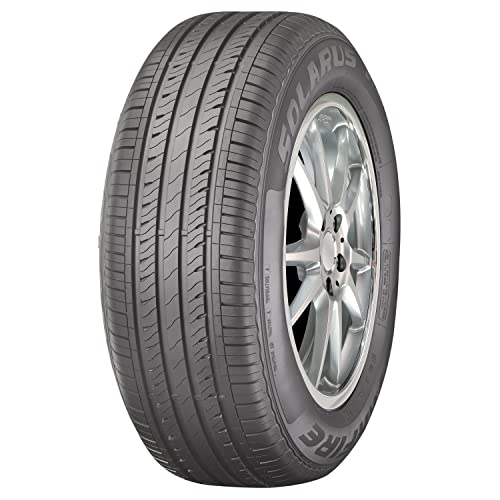
STARFIRE 162020001 Solarus AS All-Season 215/55R17 94V Tire – Dependable Year-round Option
Driving home in a sudden autumn downpour feels terrifying when your tread is bald, so a fresh set of Starfire rubber changes the entire experience. These handle standing water surprisingly well, which prevents that scary floating sensation on flooded parkways. Some buyers mention a slightly stiffer feel over speed bumps, but the overall traction makes up for it.
All-season capability depends on deep circumferential grooves, and this design clears water away from the contact patch efficiently. You get reliable stopping power when traffic halts abruptly, though icy winter hills require extra caution. Regular rotation keeps them quiet, so don’t skip your oil change interval without checking the tread.
Value shoppers gravitate toward this brand, but they do wear out a bit quicker than premium alternatives. Still, they keep your sedan rolling safely through spring storms, which is what matters most for a standard commuter car.
Pros
- ✔︎Reliable wet traction
- ✔︎Good water clearance
- ✔︎Solid stopping power
- ✔︎Budget-friendly option
- ✔︎Predictable handling
Cons
- ✘Stiffer over bumps
- ✘Faster wear rate
Fullway HP1081801 HP108 225/40ZR18 92W XL All Season Passenger Radial Four Tires – Low-profile Look

Fullway HP1081801 HP108 225/40ZR18 92W XL All Season Passenger Radial Four Tires
Check Price onAmazonCompared to pricey name-brand performance rubber, these Fullway tires cost a fraction of the bill while delivering a similar aggressive look. You actually feel the road contours much better through the steering wheel, which adds a fun element to your evening drive. Upkeep requires careful attention to tire pressure, because low-profile sidewalls hate running low on air.
Low-profile rubber gives the sedan an upgraded stance, but potholes demand your full attention to prevent wheel damage. They grip dry asphalt like glue, though heavy standing water requires you to slow down a notch. Balancing them takes a bit of extra weight sometimes, so find a careful technician for the mounting job.
Budget performance tires often get a bad reputation, but these hold their own during spirited summer driving. Just remember that winter temperatures make the compound harder, so swap them out if freezing snow hits your region.
Pros
- ✔︎Aggressive low-profile look
- ✔︎Great dry grip
- ✔︎Budget-friendly performance
- ✔︎Stiff sidewalls
- ✔︎Fun steering feel
Cons
- ✘Vulnerable to potholes
- ✘Hardens in freezing weather
Accelera 1200045916 X Grip 205/55R16 91H SL Winter (Studdable) Radial Four Tires – Cold Weather Specialist

Accelera 1200045916 X Grip 205/55R16 91H SL Winter (Studdable) Radial Four Tires
Check Price onAmazonWinter grip defines this Accelera option, since freezing temperatures turn regular tires into hockey pucks while this soft compound stays pliable. You get extra bite in slushy intersections, though dry highway driving feels a bit squirmy due to the deep tread blocks. Mount them before the first heavy frost hits your driveway.
Studding is an option if you live down a snowy rural lane, but standard use without studs works fine for most suburban streets. Braking on packed snow feels remarkably controlled, which prevents those awful sliding moments at red lights. Plus, the tread pattern clears out ice chunks nicely as the wheels turn.
Winter rubber demands a seasonal swap, so plan on storing your summer set in the garage until April arrives. They wear down fast on warm spring days, so don’t leave them on past the freezing season.
Pros
- ✔︎Excellent snow grip
- ✔︎Pliable in freezing cold
- ✔︎Studdable option
- ✔︎Controlled ice braking
- ✔︎Clears slush well
Cons
- ✘Squirmy on dry roads
- ✘Wears fast in warmth
Mastertrack MASTGT002-A4B M-TRAC GT UHP All-Season Tires (Set of 4) 235/40ZR19 96W XL – Maximum Width Choice

Mastertrack MASTGT002-A4B M-TRAC GT UHP All-Season Tires (Set of 4) 235/40ZR19 96W XL
Check Price onAmazonWider treads look fantastic on a modified sedan, but they also mean you might rub the fender liners during tight U-turns. These Mastertrack UHP tires fill out the wheel wells completely, which gives the car a muscular stance on the pavement. Road noise increases slightly at highway speeds, though the cornering stability makes up for it.
Ultra-high-performance rubber demands respect in the rain, but the wide grooves push water aside before hydroplaning starts. You will notice better stopping distances on dry asphalt, but tight parking garages require careful steering angles. Check your suspension components before mounting them, because wide tires amplify any loose ball joints.
Budget performance sets like this one prove you don’t need a luxury budget for a sporty feel. Still, they track along truck ruts in the interstate lanes, so keep both hands firmly on the wheel during long trips.
Pros
- ✔︎Aggressive wide stance
- ✔︎Great stability
- ✔︎Short dry stopping
- ✔︎Good wet drainage
- ✔︎Sporty handling feel
Cons
- ✘Potential rubbing issues
- ✘Tracks along truck ruts
Quick Comparison
| # | Product Name | Standout Feature | Best For | Our Rating |
|---|---|---|---|---|
| 1 | Lexani LXST2031665010 LXTR-203 205/65R16 95V | Soft ride quality | Daily commutes | 4.2 / 5 |
| 2 | Ironman 98397 iMove Gen 3 A/S UHP 215/55R17 | Sporty sidewall stiffness | Backroad curves | 4.4 / 5 |
| 3 | STARFIRE 162020001 Solarus AS 215/55R17 | Deep water grooves | Rainstorms | 4.1 / 5 |
| 4 | Fullway HP1081801 HP108 225/40ZR18 | Low-profile stance | Summer cruising | 4.3 / 5 |
| 5 | Accelera 1200045916 X Grip 205/55R16 | Pliable winter compound | Snow-heavy regions | 4.5 / 5 |
| 6 | Mastertrack MASTGT002-A4B M-TRAC GT 235/40ZR19 | Extra-wide tread width | Modified sedans | 4.0 / 5 |
What to Look for Before You Buy Best Tires for Mitsubishi Lancer
Tread Pattern
Tread design dictates how well your sedan clears water during a torrential downpour on the interstate. Straight grooves push moisture away from the rubber, but directional patterns need careful rotation schedules to prevent uneven wear. If you choose a budget set like the Starfire Solarus, you get simple channels that handle puddles without drama.
Aggressive blocks look sporty, but they trap small stones and generate a humming sound at sixty miles per hour. Highway commuters should look for closed shoulder blocks, which keep the cabin quiet during long trips. Winter drivers need jagged sipes that bite into snow, so match the pattern to your local climate.
Sidewall Stiffness
Stiff sidewalls improve cornering response, which makes lane changes feel crisp and immediate on winding roads. The Ironman iMove relies on a rigid build to give drivers that connected steering feedback, though potholes hit much harder as a result. Soft sidewalls absorb bumps better, but they cause the car to lean slightly during sharp turns.
Low-profile options like the Fullway HP108 have very little flex, so your wheel rims take the brunt of severe impacts. Drivers who hate jarring bumps should stick with taller sidewalls, which cushion the ride over rough city asphalt. Balance your desire for sharp handling against your tolerance for a firmer suspension feel.
Seasonal Rating
All-season rubber handles moderate weather changes, but dedicated summer compounds turn dangerously slick once autumn temperatures drop below forty degrees. Winter options stay soft in freezing weather, yet they wear down rapidly if you leave them on through July. Picking the right category prevents scary slides when the weather turns bad.
Drivers in rainy climates benefit from high silica content, which sticks to wet pavement much better than basic rubber mixes. If your region gets heavy snowfall, skip the all-season tag and mount a dedicated set like the Accelera X Grip. Weather dictates your safety margins, so don’t try to force a summer tire through a blizzard.
Speed and Load Ratings
Letters on the sidewall indicate maximum safe speeds, so a V-rated tire handles high speeds better than an H-rated version. The Mitsubishi Lancer sedan needs a rating that matches factory specifications to ensure stable handling during emergency maneuvers. Load indices matter just as much, because carrying heavy cargo requires stronger internal construction.
Exceeding these ratings isn’t necessary for normal commuting, but dropping below them creates dangerous handling quirks. Check your door placard before ordering, and then verify the numbers match the product listing. Safety inspectors look at these figures, so ignoring them can cause trouble during annual registrations.
Width and Diameter
Sizing must match your factory wheels exactly, or your speedometer will read incorrectly and your fenders might suffer damage. Upgrading to wider options like the Mastertrack M-Trac gives you an aggressive stance, but clearance issues can happen during tight turns. Consult your manual before jumping up an inch in wheel diameter.
Narrower treads cut through slush and deep snow more effectively, which makes them a smart choice for winter conditions. Wide tires offer more dry grip, but they increase rolling resistance and lower your fuel economy slightly. Measure your current rims twice to avoid the hassle of returning a mismatched set.
Price and Longevity
Budget-friendly sets save you cash upfront, but cheaper rubber often wears out thousands of miles sooner than premium alternatives. Weigh your annual mileage against the cost of mounting and balancing, because cheap tires get expensive if you replace them every year. Mid-tier options usually offer the best balance of durability and cost.
Warranty coverage gives you peace of mind, though prorated guarantees rarely cover road hazard damage from potholes. Look for customer feedback regarding tread wear milestones, so you know what kind of mileage to expect. Investing a little extra now often pays off when you skip an extra trip to the garage.
- Match your local climate before picking an all-season or winter rubber compound.
- Verify your wheel diameter and width specs from the driver door sticker.
- Rotate your tires every six thousand miles to prevent uneven shoulder wear.
- Check air pressure monthly to maintain optimal fuel economy and grip.
- Balance new tires immediately after mounting to eliminate steering wheel vibration.
- Keep receipts for warranty claims and mileage tracking purposes.
Final Thoughts
I hope this breakdown helps you choose the best tires for mitsubishi lancer without any second-guessing. The Lexani LXST2031665010 stands out as a solid all-rounder for daily driving comfort. Balance your budget against local weather conditions, and you will enjoy a smooth, safe commute all year long.
Frequently Asked Questions
Is It Safe to Mix Different Tire Brands on My Sedan?
Usually no, because mismatched grip levels upset the handling balance during emergency braking maneuvers. I’d stick with a matching set of four to keep your traction predictable in the rain.
Can I Install Wider Tires Without Modifying My Suspension?
Usually yes, as long as you stay within one size step of factory specifications. I’d check clearance around the inner fender liners before buying a wider set like the Mastertrack.
Do I Need to Balance New Tires Immediately After Mounting?
Yes, because even slight weight imbalances cause annoying steering wheel vibrations at highway speeds. I’d insist on a professional spin-balancing service right after the shop puts them on.
Is Tire Age More Important Than Tread Depth?
Usually tread depth matters first, but rubber compounds harden after six years regardless of use. I’d check the four-digit manufacturing date code on the sidewall before installation.
Do I Need Winter Tires If My Area Only Gets Light Snow?
Only if you drive during early morning hours before snowplows clear the streets. I’d rely on a good all-season set like the Starfire Solarus if freezing days stay rare.
Can I Patch a Puncture in the Sidewall Area?
No, because sidewall damage compromises the structural integrity of the tire. I’d replace any unit with a puncture outside the main tread area immediately for safety reasons.
What Tire Pressure is Correct for Daily Driving?
Usually the correct psi number appears on the placard inside your driver door jamb. I’d check those numbers with a digital gauge when the rubber is completely cold.
Do Directional Tires Improve Wet Weather Performance?
Often they do, because the V-shaped tread pattern channels water away from the contact patch very efficiently. I’d make sure the rotation arrows point forward during mounting.
How Often Should I Check My Tread Depth?
Usually every three months or before a long road trip. I’d use a simple coin test or a depth gauge to ensure you maintain at least 2/32 of an inch.
Does the Warranty Cover Damage From Road Potholes?
Only specific hazard warranties cover accidental impacts, while standard manufacturer warranties cover defects. I’d read the fine print carefully before expecting a free replacement.