
As an Amazon Associate, I earn from qualifying purchases at no extra cost to you.
How Do Cvt Transmission Work and Function (Easy Guide)
 ByFawaz
Each car owner wonders how that smooth power gets to the road without any gear shifts, right? These systems feel magic, but they follow simple rules of physics. You want to know how the pulleys move, how the belt stays tight, and why your drive feels so different from a normal car. Let us look at the clever ways these parts work together.
You feel a smooth drive because there are no gears to swap, just two pulleys and one strong steel belt. If your car feels shaky, check the fluid levels first, as old fluid is a common culprit. Most issues come from heat, so keep the system cool, clean, and happy. Let us dive into the details to help you understand your car today.
What Parts Help the Cvt Transmission Work Inside?
Modern cars use a clever system of pulleys to change ratios, which gives you smooth speed. This setup keeps the engine in its best power zone, so you save gas, enjoy a quiet ride, and avoid those annoying jerks found in older gearboxes. It works like a bicycle chain, but with smart tech that moves parts in real time.
Two Steel Pulleys
These parts sit on the input and output shafts, creating the core of the system. They change size as the belt moves, which adjusts the gear ratio instantly. This motion keeps your engine happy, steady, and ready for the road. It sounds complex, but it is just a smart dance of metal parts under the car hood.
One Strong Belt
The belt connects both pulleys, transferring power from the engine to the wheels. It must be tough, flexible, and very grippy to handle all that force. If it slips, you feel a loss of power, a strange noise, or a sudden shudder. Keep it in good shape, or you might face a very big repair bill.
Hydraulic Pressure System
Oil pressure controls the width of the pulley faces, allowing the belt to ride higher or lower. This constant change creates an infinite number of gear ratios, making your drive seamless. If the pump fails, the pulleys cannot move, and the car stops. Always watch your fluid, as it is the lifeblood of this complex part.
Onboard Car Computer
The car brain tracks your speed, throttle, and engine load to tell the pulleys where to go. It makes thousands of tiny choices every second, ensuring you have power when you need it. Without this digital wizard, the system would be lost, confused, and likely break down. It is the silent manager of your entire drive.
Transmission Fluid Cooler
Heat is the enemy of any belt system, so this part pulls heat away. It keeps the fluid cool, thin, and ready to protect the metal parts inside. If this clogs up, the system gets too hot, leading to premature wear and failure. Keep it clean, keep it clear, and keep your transmission running for years.
Input Speed Sensor
This sensor tells the computer how fast the engine is spinning, allowing for perfect shifts. It acts like an eye, watching the movement, and reporting back to the brain of the car. When this part gets dirty or fails, the whole system might act up. A quick cleaning often solves the error, saving you time and money.
Checking these parts helps you avoid trouble before it starts. Pay close attention to how your car drives, listen for new whines, and watch for warning lights on the dash. If something feels off, get it checked now, rather than waiting for a total breakdown later. Prevention is the best way to handle these sensitive, smart, and efficient car parts.
- Check fluid color regularly.
- Watch for slipping gears.
- Listen for high whines.
- Keep the cooler clean.
- Use the right fluid.
- Avoid sudden hard starts.
How Do Cvt Transmission Work and Stay Repaired?
Keeping your car moving requires focus on the fluid and the cooling system, which prevents major damage. These parts need clean oil to stop the belt from slipping or burning up during your daily commute. If you keep the fluid fresh, the metal pulleys stay smooth, and the drive stays quiet, steady, and very smooth for years of travel.
Fluid Change Steps
Drain the old, dark fluid from the pan, making sure to catch it in a clean bucket. Use a wrench to loosen the bolts, but do not drop the pan too fast. This fluid carries away tiny metal bits, so keep things clean. Always use the specific brand recommended in your manual to avoid expensive damage.
Refill the system with fresh, clean fluid, checking the dipstick to ensure the level is perfect. Drive the car a short distance, then check it once more to be sure. This simple act keeps the belt happy, the pulleys sliding, and your transmission living a very long life. It is worth the time and small cost involved.
Filter Maintenance Tips
Find the internal filter, which traps debris, and replace it whenever you change the fluid. A clean filter allows oil to flow freely, keeping the pressure high and the system responsive. If you skip this, the pump struggles to move the pulleys, leading to a slow, sluggish, or even a jerky driving feel.
Take care to seat the new filter correctly, as a bad seal causes big pressure drops. Use a bit of fresh fluid on the rubber seal to help it slide into place. Once it is tight, button up the pan, and prepare to hit the road again with confidence. A clean system works wonders for your car.
Cooling System Checks
Inspect the hoses for cracks, leaks, or soft spots that could lead to a massive fluid loss. Overheating is the main cause of failure in these units, so keep the path clear. A cool transmission lasts much longer than one that runs hot. Ensure the fan works right to move air across the metal fins.
If the cooler looks clogged with dirt, use a soft brush to knock it loose. Do not use high pressure, as that bends the delicate fins and ruins the airflow. A clear path for air means a cooler transmission, which translates to a much smoother ride for you and your passengers every day.
Belt Tension Adjustments
The belt needs perfect tension to grip the pulleys without slipping or causing excessive wear. While you cannot tighten it like a bike chain, the hydraulic system handles this for you. If you feel slipping, the pressure might be too low. Check the pump, the valves, and the fluid levels to find the hidden issue.
Sometimes a computer reset fixes the pressure logic, clearing out old, bad data. Take it to a shop if you suspect a mechanical failure, as opening the case requires special tools. Do not force anything, as these parts are very precise and break if handled with too much rough, heavy force.
Sensor Cleaning Basics
Sensors track every movement, and they can get dirty or lose their connection over time. Use a special cleaner to wipe them down, ensuring the signals stay crisp and clear. A clean sensor sends better data to the computer, which helps the car decide how to move the pulleys for the best possible fuel economy.
If the check engine light stays on, scan it for codes to see if a sensor is to blame. Most of the time, a bit of cleaning restores the signal, fixing the problem for almost no cost at all. It is a smart, cheap, and easy way to keep your car running well today.
Computer Reset Procedures
The onboard computer sometimes needs a refresh to learn how you drive and adjust accordingly. Disconnect the battery for a few minutes, let the memory clear, and then hook it back up. This simple step often fixes weird shifting logic, clearing out errors that make the car feel sluggish, confused, or just plain tired today.
Drive the car gently at first so the computer learns your style again. It will adjust the ratios to match your needs, making the drive feel fresh, new, and very efficient once more. This fix is free, fast, and works surprisingly well for many minor, nagging issues you might face.
- Check fluid levels monthly.
- Use manufacturer fluid only.
- Listen for strange whines.
- Monitor engine coolant temps.
- Scan for error codes.
- Avoid aggressive acceleration habits.
Performing these small tasks makes a huge difference in the life of your car. By keeping the fluid clean and the cooling system clear, you protect the most expensive parts. Spend a little time now to save yourself a big, stressful headache later. You will enjoy a much smoother drive every time you turn the key and head out.
Is It Safe to Keep Driving?
Driving with a failing transmission feels scary, and usually, it is not safe. If you hear loud grinding, feel the car shake, or notice it losing power, pull over. The system relies on precise hydraulic pressure, and if that fails, the pulleys might lock up. You do not want to be stuck in traffic when that happens.
Continuing to drive a broken car usually turns a small, cheap repair into a total replacement. The metal belt creates shavings that spread through the fluid, damaging the pump and every single valve. You should get a mechanic to look at it immediately, especially if your dashboard displays any warning lights or symbols.
Safety is the top priority for you and your family on the road. A car that loses speed on the highway creates a dangerous situation for everyone. If the transmission acts strange, call for a tow truck. Paying for a short tow now is much cheaper than paying for a full, brand new transmission unit later.
Trust your gut when the car feels wrong during your daily drive. If it whines, smells like burnt oil, or refuses to move, stop right away. Getting a professional opinion costs much less than a total breakdown. Stay safe, stay smart, and do not push your luck when the car is clearly struggling today.
- Tow the car if slipping.
- Check for burning smells.
- Watch for dash lights.
- Do not ignore grinding.
- Prioritize your road safety.
How Much Does It Cost to Repair?
Repairing these units often costs a lot of money because they are very complex. A simple fluid and filter change might cost a few hundred dollars at a shop. However, if the belt or pulleys need replacing, the bill climbs up quickly. Some jobs end up costing thousands, which makes many people rethink their car ownership.
Parts for these systems are expensive and hard to find for some models. The labor takes a long time since mechanics often need to remove the whole unit from the car frame. If your car is older, the price of the repair might be close to the actual value of the entire vehicle itself.
Always get a few quotes before deciding what to do with your broken car. Some shops try to sell a full replacement when a repair would work fine. Ask to see the old fluid or the metal shavings in the pan. Proof helps you understand if the shop is being honest with you today.
Deciding to fix a car is a hard choice when the numbers are high. If you love the car, it might be worth it, but be realistic. Ask yourself how much longer you plan to keep it. Sometimes, buying a different car is the smartest way to save your hard-earned money in the long run.
- Fluid service costs less.
- Repairs can be pricey.
- Get multiple shop quotes.
- Check the total value.
- Consider a used unit.
Is a Mechanic or Dealer Better?
Going to a dealership offers peace of mind because they know your specific car model perfectly. They have the right tools, the latest computer software, and original parts that fit just right. However, their hourly rates are usually much higher than what you find at a local, independent shop. You pay for that expertise.
Local mechanics often charge less and might be willing to try different ways to save you money. They might fix a single valve or a sensor, while a dealer might insist on replacing the entire assembly. For simple jobs like a fluid change, a good local shop is usually a fine, very smart choice.
Complex internal work requires a specialist, regardless of where you go. Make sure the shop has experience with your specific type of transmission. Do not let just anyone open it up, as these systems are very sensitive to dirt. A bad fix is often worse than no fix at all, so choose carefully.
Ask your friends or neighbors for recommendations before you pick a place. A good mechanic is worth their weight in gold, especially when you have a tricky transmission issue. Talk to them about your goals, your budget, and your timeline. A good pro will listen and give you honest, clear, and fair advice.
- Check online shop reviews.
- Ask about warranty terms.
- Compare the total price.
- Seek a local specialist.
- Trust your own instincts.
Does the Warranty Cover This Issue?
Warranties are your best friend if your transmission starts failing while the coverage is still active. Many manufacturers offer longer warranties for the powertrain, which includes the engine and the transmission. Check your manual or call the dealer to see if you are still within that time or mileage limit today.
Be aware that some warranties require you to follow a strict maintenance schedule. If you never changed your fluid, they might try to deny your claim. Keep all your receipts and records in one place. Proving that you took good care of the car is vital if you want them to pay for it.
If your warranty expired, you might still get help through a recall or a known issue program. Manufacturers sometimes admit when a part is faulty and offer to fix it for free, even if the warranty is gone. Check your VIN online to see if any active recalls apply to your specific car.
Do not wait until the warranty is up to ask these important questions. If you feel any doubt about your transmission, go to the dealer while you are still covered. Getting it fixed for free is the best possible outcome. Take your paperwork, be polite, and stand your ground if you have coverage.
- Read the manual closely.
- Keep all service receipts.
- Check for active recalls.
- Contact the corporate office.
- Verify your coverage dates.
Final Thoughts
Hopefully, you feel better about how your transmission works and how to keep it healthy. It is a smart piece of engineering, and with a little love, it should last a long time. Just keep up with the fluid, listen to the car, and stay safe on the road. You have the power to keep your car running smooth and steady.
| Symptom | Likely Cause | What To Do |
|---|---|---|
| High Whine | Worn Bearings | See Mechanic |
| Slipping Belt | Low Pressure | Check Fluid |
| Jerky Start | Old Fluid | Change Fluid |
| No Power | Bad Sensor | Scan Codes |
| Burnt Smell | Overheating | Stop Driving |
| Dash Light | Computer Error | Reset System |
| Slow Speed | Worn Pulleys | Replace Unit |
| Metal Noise | Internal Wear | Call Tow |
| Fluid Leak | Bad Seal | Repair Leak |
| Hard Shifts | Dirty Filter | Swap Filter |
Frequently Asked Questions
Is It Normal to Hear a Whine?
It depends, but a loud, constant whine is usually not normal. Most systems make a slight sound, but a new or growing whine often means the belt or bearings are wearing out. Get a mechanic to listen to it today.
Can I Change the Fluid Alone?
Yes, you can do it, but it requires patience and the right tools. You must ensure you use the exact fluid specified by the maker. If you are not comfortable under the car, take it to a professional shop instead.
Are These Systems Better Than Gears?
It depends on what you value in a car. These systems offer better fuel economy and a smoother drive without gear shifts. Some drivers miss the feeling of traditional gears, but they are very efficient for daily, calm driving.
Do I Need Special Transmission Fluid?
Yes, you must use the exact type for your model. These systems are very picky about oil thickness and additives. Using the wrong fluid causes the belt to slip, the valves to stick, and the unit to fail.
Does Driving Aggressively Damage the System?
Yes, pushing the engine hard puts extra stress on the belt and the pulleys. These transmissions prefer smooth, steady acceleration. Avoid slamming the gas pedal, as that builds up heat and wears down the internal metal parts much faster.
Should I Flush the Fluid Regularly?
Yes, it is the best way to keep the system clean and cool. Check your manual for the recommended interval, which is usually every thirty or sixty thousand miles. Fresh fluid helps the pump and sensors work perfectly.
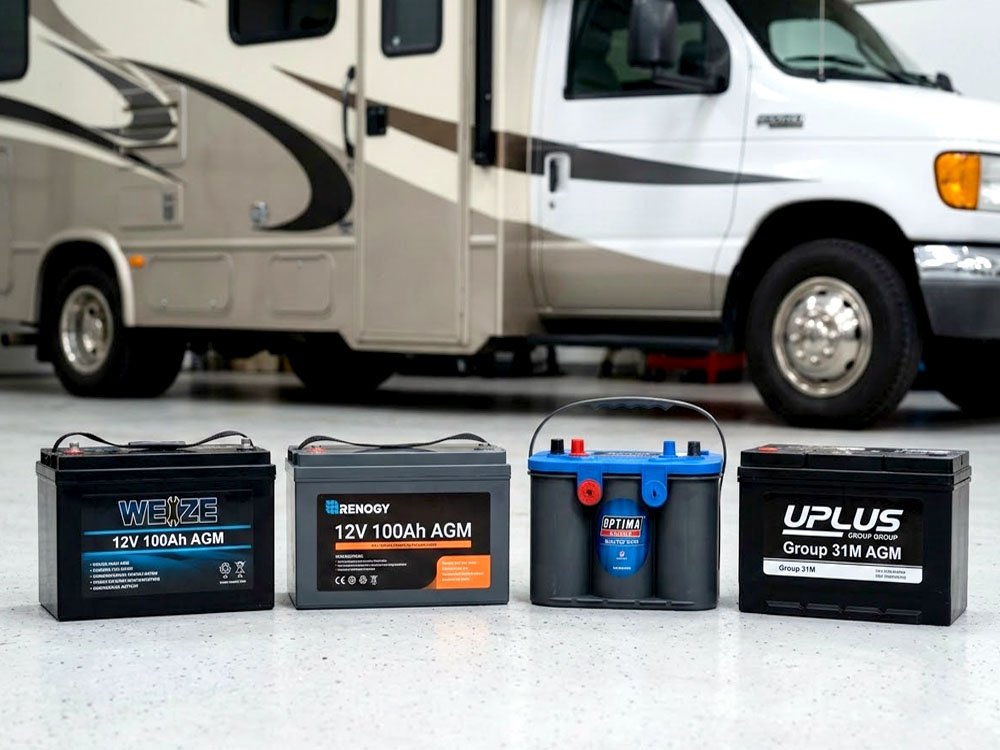
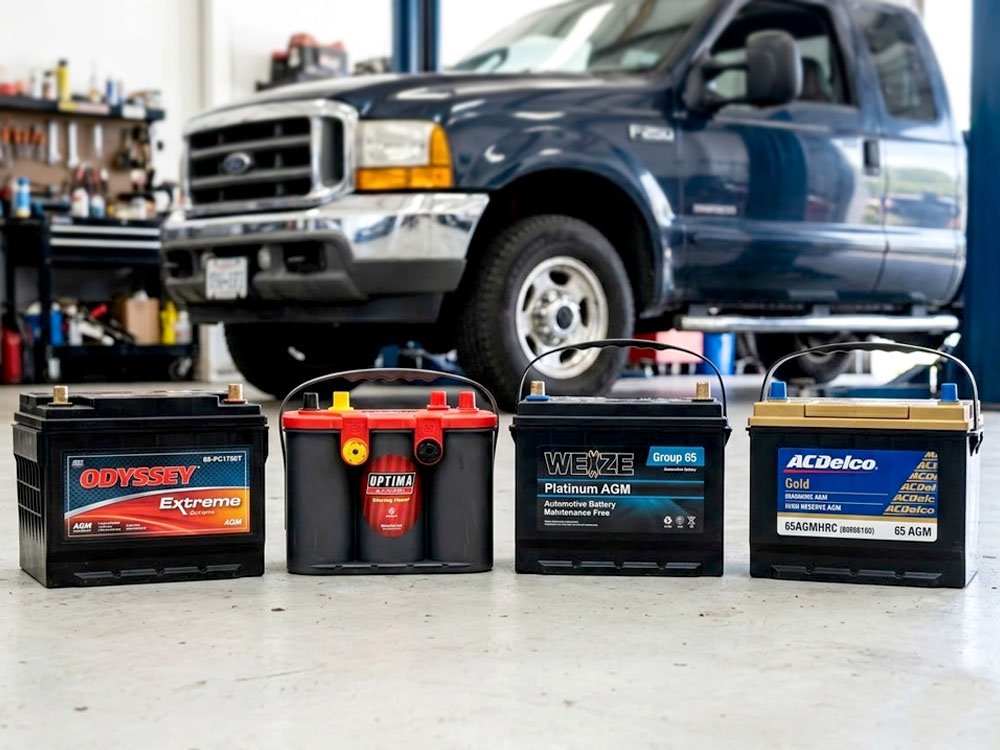
Will a Bad Battery Cause Issues?
It depends, but a weak battery can confuse the computer. If the voltage drops too low, the sensors might send weird data, causing the transmission to act strange. Always start with a strong battery to keep electronics happy.