As an Amazon Associate, I earn from qualifying purchases at no extra cost to you.
Resolving Shaking with Service Stabilitrak Chevy Cruze (Trusted Fixes)
 ByFawaz
The Chevy Cruze is a fine car, but seeing a service Stabilitrak warning, accompanied by rough engine shaking, is scary. You might feel panicked, wondering what went wrong with your reliable ride. Please stay calm, as many owners face this exact duo of issues. Let us walk through the most common causes, and simple steps to resolve this, keeping your car safe today.
You likely face a misfire, which makes the engine shake, triggering that Stabilitrak light. The car computer disables stability help, because it cannot trust the engine performance right now. Start by checking your spark plugs, or the ignition coil pack. These parts often fail, causing uneven power. A quick scan with an OBDII reader shows you the specific cylinder that is struggling.
Why Does My Chevy Cruze Shake and Show Service Stabilitrak?
This specific problem often stems from a simple engine misfire, which disrupts power, causing your car to vibrate, while the computer turns off traction control to protect itself.
Bad Ignition Coil Pack
When the coil pack fails, electricity does not reach the spark plugs properly, so the engine misfires. This causes that scary shaking, and the car’s brain throws the Stabilitrak light to warn you. You need a new coil pack to fix this, as a weak one cannot be saved, so just swap it out for new.
Worn Spark Plugs
Spark plugs sit inside the engine, lighting the fuel, so they wear out over time. If they get too old, they struggle to fire, causing your Chevy Cruze to shake violently. Check the gaps, or just replace them all to ensure a smooth idle. Fresh plugs make a huge difference in how your car runs.
Loose Vacuum Hoses
Small rubber hoses help the engine breathe, but they can crack, or pop off, from age. This leak messes up the air mixture, leading to rough shaking, and confusing the computer. Inspect every hose for cracks, or loose ends, and push them back on tight. A cheap zip tie often holds a loose hose very well.
Clogged Fuel Injectors
Fuel injectors spray gas into the engine, but dirt can block them. If one injector is clogged, that cylinder gets no power, causing the engine to wobble. Use a quality fuel cleaner in your gas tank to dissolve gunk. Sometimes, you might need a professional clean, but try the cleaner in the tank first.
Failed Mass Airflow Sensor
The sensor measures air coming into the engine, helping the computer set the mix. If it gets dirty, it sends wrong data, causing the car to run poorly, shake, and panic the Stabilitrak system. Clean it carefully with special spray, or replace the unit if it looks damaged. A clean sensor helps the car run smooth.
Weak Battery Voltage
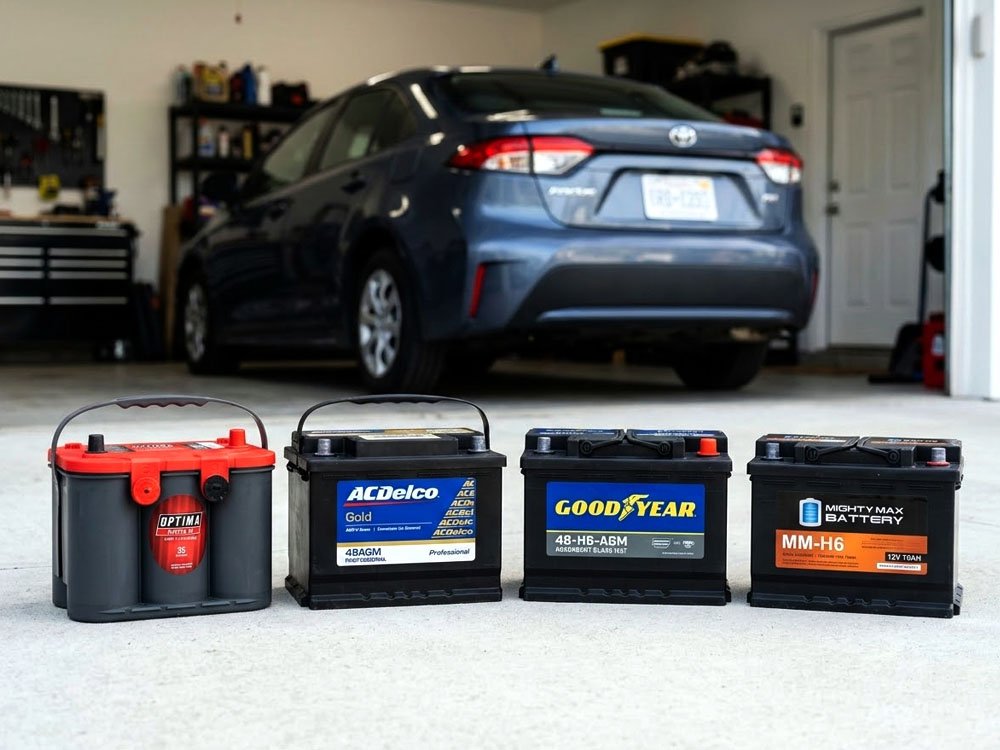
Low power from a dying battery creates weird errors, including strange Stabilitrak warnings. If the voltage drops, the sensors get confused, and the engine might not run steady. Test your battery at a local shop, and replace it if it fails. A strong, healthy battery keeps all the complex electronic systems happy, and very stable.
Fixing these engine gremlins is manageable, if you stay patient, and work through the list. Start with the basics like plugs and coils, as they cause most of these headaches. Take your time, use the right tools, and double check every single wire you touch. Keep your car healthy with regular care, and it will run much better for you.
- Check spark plugs for heavy carbon buildup or worn tips.
- Inspect ignition coil pack for cracks or visible burn marks.
- Scan for error codes like P0300 to find cylinder misfires.
- Tighten all vacuum lines to ensure no air leaks exist.
- Clean mass airflow sensor using only approved electronics cleaner spray.
- Test battery voltage to rule out low power electrical issues.
Resolving Shaking with Service Stabilitrak Chevy Cruze Repair Tips
When your Chevy Cruze shakes and displays that warning, it usually means the engine needs help, not necessarily the stability system. Focus on the engine misfire first, since that triggers the Stabilitrak alert as a safety measure. Once you fix the engine, the warning light should turn off by itself, saving you a trip to the dealer.
Test Engine Ignition Coils
The coil pack is a common weak spot on these engines, causing misfires that shake the whole car. You will need a basic socket set, and about thirty minutes, to reach the top of the engine. Remove the cover, unbolt the coil rail, and slide the new one in place.
Most mechanics charge a fair price for this, but doing it yourself saves money, and feels great. Just ensure the connectors click, so the signal stays strong. A bad coil usually leaves a code, so scan your car first to confirm the issue is the coil pack itself.
Inspect Engine Spark Plugs
Old plugs cause poor combustion, which makes the engine stumble, and vibrate. Use a spark plug socket, and a long extension, to gently pull them out of the engine head. Check the tips for oily residue, or thick white crust, which indicates a bigger internal engine problem.
If they look brown, and clean, they are likely still okay, but replacing them is cheap maintenance anyway. Use a torque wrench, if you have one, to tighten them properly. Do not overtighten them, as you could crack the engine block, which is a very expensive mistake.
Check for Vacuum Leaks
A small vacuum leak causes the engine to hunt for idle, leading to rough shaking. Listen closely under the hood, while the car is running, for a faint hissing sound. If you hear air escaping, look for cracked rubber hoses, or broken plastic lines, near the intake.
Fixing a leak is often free, or costs a few bucks for new hose. Simply cut the bad end off, or replace the whole line, to seal the system. A tight vacuum system makes the engine run smooth, and stops the shaking, almost every single time.
Clean Fuel System Parts
Dirty injectors can choke your engine, leading to hesitation, and shaking under load. Pour a high quality fuel additive into your gas tank, and fill it with fresh fuel. Drive the car for twenty minutes, so the cleaner flows through the lines, and breaks down the carbon deposits inside.
If the shaking continues, you might need to remove the injectors for professional testing. This is a bigger job, so try the fuel additive first. It is the easiest, cheapest way to solve fuel delivery issues, and usually clears up minor blockages in the system.
Test Mass Airflow Sensor
The sensor sits right near the air filter box, measuring incoming air for the computer. If it gets dirty, the computer gets bad info, causing the engine to run lean. Use a specialized spray, designed for airflow sensors, to clean the delicate wires inside the housing.
Do not touch the wires, as they are very fragile, and easily broken by fingers. Let the sensor dry completely, for ten minutes, before starting the engine again. A clean sensor restores the right air mixture, making your Chevy Cruze feel like it has brand new power.
Monitor Electrical Connections
Sometimes, a loose ground wire causes the Stabilitrak light to blink on, and off, randomly. Check the battery terminals, and the main engine ground, to ensure they are tight. Rust and dirt can build up, stopping electricity from flowing well to the important car sensors.
Use a wire brush to clean the contacts, and apply a bit of grease to keep corrosion away. Good connections fix many electrical glitches, without replacing expensive parts. It is a simple step that fixes more problems than most people realize, so never skip the basic electrical checks.
- Scan engine codes first to identify the specific cylinder misfire.
- Replace ignition coil pack if you find any burn marks.
- Clean mass airflow sensor with proper spray to fix data.
- Tighten all vacuum lines to stop unwanted engine air leaks.
- Use fuel system cleaner to unclog the delicate fuel injectors.
You can handle most of these repairs at home, with basic tools, and a bit of patience. If you feel unsure, or the engine light stays on, please see a qualified mechanic to avoid damage. Fixing these issues early keeps your car reliable, and helps you avoid big, costly repairs down the road.
Is It Safe to Keep Driving My Chevy Cruze?
Driving with a flashing Stabilitrak light is not a good idea, because the engine is clearly struggling. If the engine is shaking, you are causing extra wear on the motor mounts, and other vital parts. It is much better to park it, and fix the source, than to risk a breakdown on the highway.
The car computer might enter a safety mode, limiting your power to protect the engine from permanent harm. You will notice the car feels sluggish, or won’t speed up properly, when you try to merge into traffic. This lack of power makes it dangerous to drive, especially during busy times on the road.
Ignoring the shaking will only make the cost go up, because you might ruin the catalytic converter. Unburned fuel gets into the exhaust, where it burns, and melts the sensitive parts inside. A new converter is very expensive, so fixing the misfire now is the smart way to save your hard earned money.
If you must drive, keep it slow, and stay off the highways. Listen for loud bangs, or smell for burning, as these are signs of major trouble. If the light starts flashing, pull over immediately, and turn off the engine. It is not worth the risk, so get it checked out as soon as you can.
- Stop driving if the engine light starts flashing red now.
- Avoid highway speeds when the car is shaking and unstable.
- Watch for burning smells coming from under the car hood.
- Listen for metallic rattling sounds near the hot exhaust system.
- Park the car until you find the source of shaking.
Should I Take My Chevy Cruze to a Dealer?
Taking your car to the dealer is an option, but it often costs more than a local shop. Dealers have the best tools for diagnosing complex Chevy computer issues, which can save time. If your car is still under a factory warranty, the dealer must fix the problem for free, so definitely go there.
For older cars, a good independent mechanic is usually the better choice for your wallet. They have the same skills, and can often find parts at lower prices than the dealership. Ask your friends for a recommendation, as a trusted local shop is worth its weight in gold when problems arise.
If you choose a shop, ask them to show you the old parts they replaced. This helps you understand what failed, and gives you confidence that the repair was necessary. Communication is key, so don’t be afraid to ask questions about the work they perform. A good shop explains everything clearly.
Dealers can be fast, but they charge for the fancy building, and the waiting room coffee. If you need a quick fix, and have the money, they work fine. However, for most common engine issues, a local mechanic handles the job perfectly well, and you save plenty of money in the process.
- Check your warranty status before paying for any car repairs.
- Compare prices between the local dealer and independent repair shops.
- Ask the mechanic to show you the old failed parts.
- Look for shops that specialize in Chevy or engine diagnostics.
- Get a written estimate before approving any expensive engine work.
How Much Does This Repair Typically Cost?
Costs vary widely, depending on whether you do the work yourself or hire a shop. A set of new spark plugs is cheap, costing maybe fifty bucks for the parts. If you need a new ignition coil pack, expect to pay around two hundred dollars for a high quality replacement part from the store.
Labor costs add up quickly, because mechanics charge for their time, and expertise. A simple job might take one hour, while a complex diagnostic takes much longer. Expect to pay a few hundred dollars for a professional repair, depending on the current shop rates in your specific city or town.
Do not forget the cost of the scan tool, if you buy one. A basic reader is thirty dollars, and it pays for itself by preventing guessing. You save money by not buying parts you don’t need, which is a great way to keep your car repair budget under control.
Saving money is great, but don’t buy the cheapest parts you find online. Cheap coils fail fast, forcing you to do the job twice. Buy reliable brands, because they last longer, and save you from more headaches later. You get what you pay for, so buy quality, and drive with peace of mind.
- Budget for diagnostic fees if you cannot find the code.
- Buy quality parts to avoid doing the same job twice.
- Expect higher costs if the shop finds multiple failed parts.
- Factor in tool costs if you plan on doing repairs.
- Keep extra cash ready for unexpected repairs during the process.
What is a Common Mistake That Makes It Worse?
The biggest mistake is ignoring the warning light for too long. People often think it will go away, but it usually gets worse, and causes more damage. Driving while the engine shakes is a fast way to turn a simple fix into a broken car engine that needs a full rebuild.
Another mistake is throwing parts at the car without checking for codes. Buying a new battery, or a new alternator, when you only had a loose spark plug is a huge waste. Use a scanner, read the code, and be smart about what you replace, to avoid spending money on good parts.
Many people also use the wrong parts, like generic plugs that don’t match the Chevy specs. Your engine is picky, and it needs the exact parts designed for it to run right. Read your owner manual, or check the parts store guide, to ensure you get the right fit for your specific year and engine.
Finally, don’t rush the job when working under the hood. Forcing a bolt, or pulling a wire too hard, creates new problems that are harder to fix. Take your time, move slowly, and enjoy the process of learning about your vehicle. Your car will thank you for being careful, and taking your time.
- Never ignore a flashing engine light on your car dashboard.
- Always scan for error codes before buying any replacement parts.
- Use only parts that meet the specific factory engine requirements.
- Do not overtighten bolts as you might crack the metal.
- Take your time to avoid making small mistakes during repairs.
Final Thoughts
Hopefully, you feel much better about tackling this Chevy Cruze problem now. Dealing with a shaking engine and lights is stressful, but you have the right steps to fix it. Stay patient, check your codes, and take things one step at a time. You can definitely get your car running smooth again, so keep your chin up and stay focused.
| Symptom | Likely Cause | What To Do |
|---|---|---|
| Engine Shaking | Bad Coil Pack | Replace Coil |
| Rough Idle | Worn Plugs | Install New |
| Stabilitrak Light | Sensor Error | Scan Codes |
| Power Loss | Fuel Issue | Clean Injectors |
| Hissing Sound | Vacuum Leak | Seal Hoses |
| Engine Light | Misfire Detected | Test Cylinder |
| Poor Response | Air Sensor | Clean Sensor |
| Voltage Drop | Weak Battery | Test Battery |
| Jerking Feel | Bad Wire | Check Connections |
| Stalling Engine | Air Leak | Tighten Lines |
Frequently Asked Questions
Is It Okay to Reset the Stabilitrak Warning Light?
No, resetting the light does not fix the actual engine problem causing the shaking. You must address the underlying misfire first. Clearing the code only hides the warning, and it will just come back on again as soon as you drive.
Can a Bad Battery Cause This Stabilitrak Issue?
It depends, as low voltage does confuse the car sensors, but it is not the most common reason for engine shaking. Check your battery health, but prioritize testing the spark plugs and ignition coils first, as those parts usually cause misfires.
Are Generic Parts Okay for a Chevy Cruze?
No, you should stick to high quality, name brand parts for sensitive engine repairs. Generic coils or plugs often fail early, costing you more in the long run. Always check the part numbers to ensure they match your specific car model.
Do I Need Professional Tools to Fix This?
No, most of the basic work requires only a standard socket set and a scanner. You can find everything needed at a local parts store for a reasonable price. Follow the repair steps carefully to avoid any major safety errors.
Does the Stabilitrak Light Always Mean the Engine is Broken?
It depends, but when paired with engine shaking, it usually points to a misfire. The system disables itself to prevent damage while the engine is running poorly. Address the engine health first, and the warning light will likely turn off.
Should I Replace All Spark Plugs at Once?
Yes, it is best practice to replace all spark plugs at the same time. If one plug is worn out, the others are likely near their end too. New plugs will ensure your engine runs smooth and stays very efficient.
Will a Loose Gas Cap Cause This Warning?
It depends, as a loose cap triggers an evaporative system error, not usually engine shaking. If your car is shaking, look for ignition or fuel issues instead. Tighten the gas cap anyway, but keep searching for the real cause.