As an Amazon Associate, I earn from qualifying purchases at no extra cost to you.
Wheres the Power Steering Fluid 2015 Chevy Equinox (Trusted Fixes)
 ByFawaz
So, you are looking for that elusive fluid reservoir under the hood of your ride. It feels like a simple task, but the engine bay is packed tight. Do not worry, because finding this spot is easier than you might think. Let us look at where it hides and how to check your levels, so you can keep driving smooth and happy today.
You likely cannot find the fluid because your 2015 Chevy Equinox actually uses an electric power steering system. This modern design removes the need for traditional hydraulic fluid and pumps entirely. Since there is no reservoir to check, you should look for electrical issues instead if the wheel feels stiff. Always check your fuses or battery connections when the steering acts up.
Why is the 2015 Chevy Equinox Steering Different?
The 2015 Chevy Equinox uses a motor, not a belt, to help you turn the wheel. This design saves gas, reduces weight, and removes the need for messy fluid changes. It is a smart setup, but it means you will not find a reservoir under the hood, even if you look for a long time.
Electric Steering Motor Location
The motor sits right on the steering gear, tucked down low near the rack. You cannot see it from the top, so do not strain your neck looking. It relies on electricity from the battery, not pressure from fluid. If it fails, the car lets you know with a light on the dashboard, which is very helpful.
Lack of Hydraulic Reservoir
Engineers removed the reservoir, the pump, and the hoses to save space. You will not find a cap marked with a steering symbol, which is normal for this model year. The system is sealed, quiet, and very efficient. It is nice to skip the messy fluid leaks that older cars often have, right?
Sensor System Purpose
The car uses sensors to tell the motor how much help you need. These sensors watch your speed and your hands, then tell the motor when to work. It is a precise way to steer, and it keeps things light at low speeds. When you drive fast, the system firms up to keep you stable and safe.
Dashboard Warning Lights
If the steering light pops on, the car has found a problem in the electrical circuit. It could be a fuse, a bad connection, or a glitchy sensor. Since there is no fluid to add, you must look at the power supply. A simple scan tool can often tell you exactly what is wrong here.
System Reliability Benefits
Electric steering rarely breaks, which is a great win for owners. You save money on fluid, belts, and pump repairs over the life of the car. It is a set-it-and-forget-it system that works well for years. Enjoy the fact that you never need to touch a dipstick for your steering system ever again.
Battery Power Needs
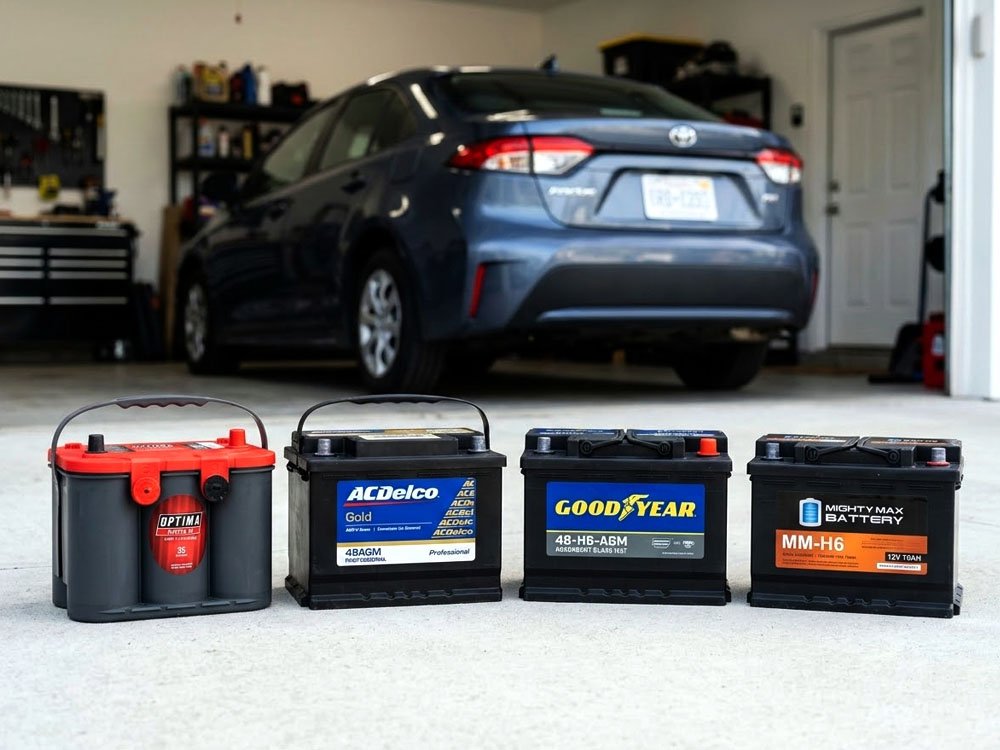
The motor pulls a lot of current from your battery when you turn. If your battery is weak, the steering might feel strange or jerky during sharp turns. Keep your battery healthy, and your steering will stay strong. It is the heart of the car, so feed it well with good power and clean connections.
Since there is no fluid to check, you should focus your attention on the battery health. A weak battery makes the electric motor struggle, causing stiff steering during slow turns. If the wheel feels heavy, test your battery charge. If the battery is fine, have a shop scan for codes to find the specific electrical fault in your steering.
- Check the battery for a solid and clean connection today.
- Test the alternator to ensure it provides enough steady power.
- Inspect all the fuses related to the electric steering system.
- Scan the car for codes if the warning light appears.
- Visit a trusted mechanic if the steering wheel stays stiff.
- Ensure your tires are inflated to the correct pressure levels.
How to Check 2015 Chevy Equinox Steering Parts
Finding the power steering fluid on your 2015 Chevy Equinox is impossible because it does not exist. This vehicle relies on electricity to turn the wheels.
Inspecting the Steering Rack
The rack sits under the engine, connecting the front wheels together. You can peek under the car, but you will only see metal parts here. Look for loose bolts or damaged boots. If you see grease leaking, that is a sign of a physical wear issue rather than a fluid leak.
Testing the Electric Motor
The motor is bolted to the rack, helping you turn with ease. You cannot service this motor yourself, as it requires special tools to calibrate. Listen for clicking sounds when you turn the wheel. A quiet motor is a happy motor, but a loud motor means trouble is likely coming soon.
Checking the Wiring Harness
The wires run from the battery to the steering motor down below. Look for chewed wires or burnt spots along the path. Rodents love to snack on these cables in the winter, which causes total steering loss. Keep the area clean, and keep the wires safe from any sharp edges nearby.
Reviewing the Fuse Box
The fuse box is located under the hood, usually on the driver side. Look at the lid to find the steering fuse. If it is blown, the steering will stop working instantly. Replace it with a fuse of the same rating, and you might get back on the road in five minutes.
Monitoring System Performance
The steering should feel light and easy at every single speed. If it feels heavy sometimes, the sensor is likely struggling to send the signal. Pay attention to when it happens, as this helps the mechanic find the fix. Being observant saves you time and money when you head to the shop.
Using a Diagnostic Tool
A scanner is the best way to talk to your car. Plug it into the port under the dash to read any stored errors. It will point you toward the motor, the sensor, or the module. You do not need expensive gear, as a basic reader often tells you what to fix.
- Look for the fuse box located under the hood area.
- Check for any signs of loose wires near the rack.
- Test your battery voltage to ensure it stays quite steady.
- Use a scanner to find any hidden steering error codes.
- Keep the steering area clean to prevent any small issues.
Replacing the rack is expensive because it is an electronic unit. Most people choose to let a pro handle this part. You can easily check fuses or battery cables yourself, though. If those are fine, the electrical system needs a pro with the right software. Do not try to crack the unit open, as it can be dangerous to your safety.
Is It Safe to Drive with Stiff Steering?
Driving with stiff steering is risky and can lead to an accident. The electric motor is designed to give you help when you need it most. If it stops working, the car becomes very hard to maneuver at low speeds. You will find it nearly impossible to park or turn in tight spaces safely.
You should never force the steering wheel if it feels stuck or heavy. This puts extra stress on the mechanical parts, which could break something else. If the steering feels uneven, pull over to a safe spot. Trying to drive like this is a bad idea, as you lose your ability to avoid obstacles quickly.
Take the car to a shop immediately if the steering acts up. A technician can tell if it is a simple fuse or a dead motor. Do not ignore the warning light on your dashboard, as it is there for your protection. Being safe on the road is always worth the cost of a quick repair.
When you lose power steering, the car feels like a heavy truck. It is not something you want to deal with while you are on the highway. Most shops can diagnose the system in under an hour. Fixing a fuse is very cheap, while a new motor is pricey, so find the simple issues first.
- Park the car immediately if the steering becomes very stiff.
- Do not force the wheel when the motor stops helping.
- Check the dashboard for any active steering warning light icons.
- Have a professional check the system for any safety risks.
- Never ignore steering issues while driving on the busy highway.
How Much Does an Electric Steering Repair Cost?
Repairing an electric system varies depending on what has failed inside. If you just have a blown fuse, you will spend less than ten dollars. That is a great win for any car owner. However, if the entire motor or steering rack needs a full replacement, the price will go up quite a bit.
The parts for these modern systems are expensive because they include sensors and computers. You should expect to pay for a few hours of labor at a local shop. The total cost can reach hundreds of dollars. It hurts the wallet, but it is necessary for your car to function properly on the road.
Always ask for a quote before you give the green light. A good mechanic will show you the failed part and explain why it stopped working. This builds trust and helps you understand your car. If the price feels too high, ask about using a used part, which can save you a large amount.
Insurance usually does not cover mechanical failures like this one. You are likely on your own when it comes to paying for the repair. Save some cash for these surprise moments. Being prepared keeps your stress levels low when the car decides to have a bad day and needs some professional attention.
- Expect to pay more for a full motor rack replacement.
- Keep a little money in savings for unexpected car repairs.
- Ask for a written estimate before starting any large work.
- Consider a used part if you need to save money.
- Check if your extended warranty covers the electric steering unit.
Can I Use a Scan Tool for Steering Codes?
Yes, a scan tool is your best friend when the steering acts up. Many auto parts stores will scan your car for free. This gives you a clear idea of what the car thinks is wrong. You might find a code related to the motor, the sensor, or a simple ground issue under the hood.
Do not be afraid of the codes, even if they look like a secret language. You can look them up online in seconds to see what they mean. Often, the code points to a loose ground wire. This is a very cheap and simple fix that you can do at home with basic tools.
If the scanner shows a serious fault, you know it is time to call for help. Having the code ready helps the mechanic work faster, which saves you money on labor. It is a smart move that makes you look like a pro. Knowledge is power, so use it whenever your car starts acting weird.
Avoid clearing the codes without fixing the root cause. The light will just come back on, and you will be back to square one. Treat the cause, not just the symptom. Your car will thank you, and you will stay safe on the road. Always keep your scan tool handy for these moments.
- Visit a local auto store for a free code scan.
- Look up your car codes online to see the meaning.
- Check for loose or dirty ground wires near the rack.
- Do not just clear the codes without fixing the problem.
- Keep a simple scanner in your trunk for future emergencies.
What Are Common Mistakes with Electric Steering?
A big mistake is trying to add fluid to a reservoir that does not exist. People often dump fluid into the wrong tank, like the coolant or the brake reservoir. This creates a huge mess that takes hours to clean. Always check your manual before you pour any liquids into your engine bay area.
Another mistake is ignoring the warning lights for too long. People think they can just get used to the heavy steering. This is dangerous and leads to more expensive damage over time. If the light is on, the car is telling you it needs help right now. Listen to the car, and go get it checked.
People also try to repair the motor by smacking it or using duct tape. This never works and usually makes the situation much worse. The system is delicate and depends on precise electronics. If you do not know how to fix it, leave it to someone who does. It is not worth the risk.
Finally, do not buy the cheapest aftermarket parts you find online. They often fail within a few months, leaving you stranded again. Stick with high-quality parts that you can trust. It costs more upfront, but it saves you from doing the job twice. Take your time, and do the repair the right way.
- Never pour fluid into a system that uses electricity.
- Do not ignore the warning lights on the dashboard cluster.
- Avoid using cheap parts that might fail in few months.
- Do not try to hammer or force the delicate motor.
- Always consult your manual before doing any car work.
Final Thoughts
Hopefully, this clears up why you cannot find that fluid reservoir in your 2015 Chevy Equinox. Since it runs on electricity, your car is more modern and efficient than older models. Keep an eye on your battery and electrical system to stay rolling. You have got this, so stay positive and enjoy the smooth ride in your reliable Chevy!
| Symptom | Likely Cause | What To Do |
|---|---|---|
| Heavy steering | Weak battery | Test battery |
| Warning light | Faulty sensor | Use scanner |
| No steering | Blown fuse | Check fuse |
| Noisy motor | Worn gear | See mechanic |
| Erratic assist | Loose wiring | Clean ground |
| Stiff wheel | Motor failure | Replace unit |
| Light on | Bad module | Scan codes |
| Hard turning | Low power | Check alternator |
| Steering drag | Mechanical wear | Inspect rack |
| System glitch | Software bug | Update system |
Frequently Asked Questions
Is It Possible to Add Fluid to My 2015 Chevy Equinox?
No, it is not possible because the system is fully electric. Adding any fluid to the engine bay where you think it belongs will likely damage other parts. Always check your manual to see exactly which fluids your car actually needs.
Can I Convert My Electric Steering to Hydraulic?
No, you cannot convert this system to hydraulic. It would require changing the entire steering rack, the engine accessories, and the computer system. The cost would be massive and it is not a safe way to modify your modern daily driver.
Are There Any Secret Reservoirs Hidden Under the Hood?
No, there are no hidden reservoirs for the steering system. The 2015 Chevy Equinox uses a motor attached to the rack. If you cannot see a reservoir cap, it means your car does not need one. Trust that the system is sealed.
Do I Need to Maintain the Electric Steering Motor?
No, the motor is maintenance-free and sealed tight. You do not need to grease it or change any fluid. Just keep your battery and alternator in good shape. This keeps the electricity flowing well so the motor works when you need.
Should I Worry About the Electric Motor Burning Out?
It depends, but these motors are very reliable. They rarely burn out unless the car has a massive electrical surge. Most people drive these cars for many years without ever touching the motor. Just drive carefully and keep your battery connections clean.
Will a Bad Battery Affect My Steering Performance?
Yes, a bad battery will definitely affect the steering performance. The motor needs a lot of power to help you turn. If the battery is weak, the steering will feel heavy or jerky. Always start your troubleshooting by testing the battery voltage.
Can I Fix a Steering Sensor Problem Myself?
It depends on your skill level with car electronics. You can fix a loose wire or a blown fuse yourself. However, if the sensor inside the rack is bad, you will need a pro. Most people should let a shop handle that.