As an Amazon Associate, I earn from qualifying purchases at no extra cost to you.
6 Best Tires for Winter Driving (Buying Guide) 2026
 ByFawaz
Some drivers think all-season rubber handles ice, but those tires get hard and slick when the temperature drops near zero. You might find yourself sliding through a stop sign, which is a scary way to start your morning commute. I checked how these tread designs grip frozen pavement, so you can pick the best tires for winter driving and actually feel safe behind the wheel.
#PreviewProductLink



Top 6 Best Tires for Winter Driving You Can Buy Now
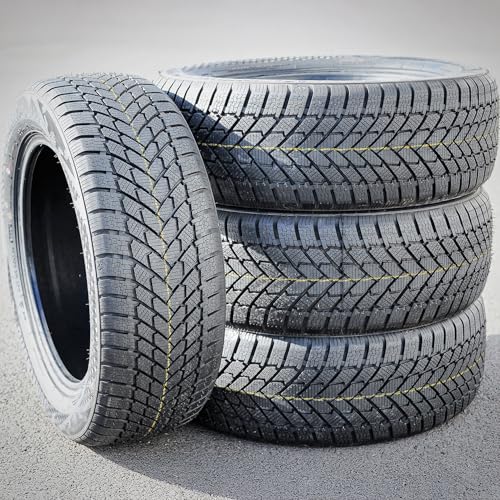
Armstrong 1200050985 Ski-Trac PC 175/65R14 82T SL Winter Radial Four Tires – Reliable Cold Grip
These tires are built for small cars that need a bit more help when the roads get icy. You will notice the rubber stays soft even in deep freezes, which lets the tread bite into packed snow. It helps you stay in control on your usual route to work.
Driving through slush can be a nightmare, but these deep channels push water away from the center. You feel much less floating, which keeps your steering feeling tight and predictable. It makes a big difference when the city plows are late and the side streets are still totally buried.
Cost is always a worry, but this set of four gives you a solid winter setup without breaking the bank. You get a basic, honest tire that does exactly what it says on the label. It is a smart move if you want to save cash while staying safe.
Pros
- ✔︎Designed for icy conditions
- ✔︎Stays soft in freezing air
- ✔︎Four tire set value
- ✔︎Deep slush channels
- ✔︎Responsive steering feel
Cons
- ✘Small size availability
- ✘Not for deep mud
Accelera 1200045915 X Grip 195/65R15 91T SL Winter (Studdable) Radial Two Tires – Studdable Ice Traction

Accelera 1200045915 X Grip 195/65R15 91T SL Winter (Studdable) Radial Two Tires
Check Price onAmazonIf you live in a place where the ice never seems to melt, these studdable tires are your friend. You can add metal pins to the tread, which dig right into the hard pack. It turns a slick driveway into a surface you can walk on with ease.
The tread pattern looks aggressive, and it serves a clear purpose by clawing at heavy snow. You will find that acceleration is smoother, because the blocks grab the ground instead of spinning in place. It gives you confidence when you are trying to climb a steep hill nearby.
Mounting just two of these on your drive axle can improve your situation, especially if you have a tight budget. You get a lot of grip where it matters most, which is under the engine. It is a simple way to improve your car for the winter months.
Pros
- ✔︎Allows for metal studs
- ✔︎Strong snow traction
- ✔︎Good for drive axles
- ✔︎Aggressive tread blocks
- ✔︎Affordable two-pack
Cons
- ✘Requires stud installation
- ✘Increases road noise
SAILUN 5542155V Ice Blazer WSTX 225/60R17 99T – Consistent Highway Control
Highway driving in winter can be stressful, but these tires keep things steady at higher speeds. You won’t feel that constant, tiny drift when you hit a patch of ice between lanes. It lets you travel long distances, even when the wind is blowing snow across your windshield.
The rubber compound uses silica, which helps it grip cold asphalt better than standard summer tires. You will notice the difference the moment you touch the brakes. It stops the car fast, which is the most important thing you can ask for in a heavy snowstorm today.
Durability is another plus, so you can expect these to last for several seasons of light to medium use. You aren’t just buying them for a single month of bad weather. It is a long-term pick for anyone who deals with a typical, messy, and cold winter climate.
Pros
- ✔︎Silica rubber compound
- ✔︎Stable at highway speeds
- ✔︎Short stopping distances
- ✔︎Good long-term value
- ✔︎Balanced winter handling
Cons
- ✘Stiffer sidewall feel
- ✘Average fuel economy
Prinx 3268250531 HiCountry A/T2 All Terrain 265/70R17 115T Light Truck Tire – Rugged Off-road Capability
Truck owners know that deep snow requires a tire with real teeth. This design has large gaps between the blocks, which clear out heavy snow as you drive. You don’t have to worry about the tire turning into a smooth, slick ball while you are out exploring.
The sidewalls look tough, and they are thick enough to resist cuts from hidden rocks under the snow. You can drive through rough, icy woods without constantly checking for flats. It is built for work, so it handles the bumps and ruts you find on country back roads.
Handling is surprisingly easy on pavement, despite how chunky the tread looks to your eyes. You won’t feel like you are driving a tractor on your way to the grocery store. It is a great middle ground for people who need a truck for both work and play.
Pros
- ✔︎Chunky tread design
- ✔︎Clears snow fast
- ✔︎Tough sidewall protection
- ✔︎Good for rural roads
- ✔︎Handles heavy trucks
Cons
- ✘Less quiet ride
- ✘Heavier weight tires
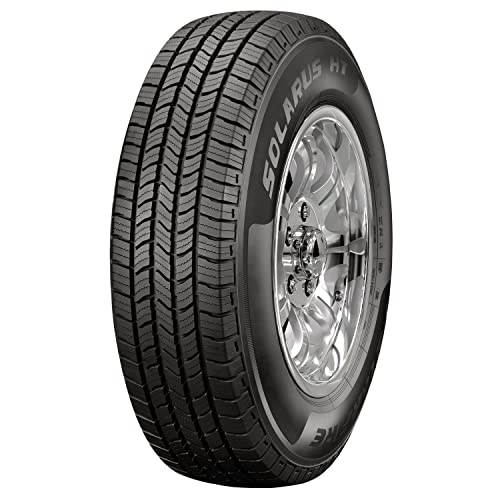
STARFIRE 165002001 Solarus HT All-Season 245/60R18 105H Tire – Versatile Seasonal Use
Some people want one tire that works for the whole year, and this is a common choice for them. You get a tread that handles light rain and cool mornings without any fuss. It saves you the trouble of changing your tires every single time the calendar turns.
The ride quality is smooth, so you can drive for hours without feeling beat up by the road. You will like how quiet it stays on the highway, because nobody wants a loud hum coming from their wheels. It makes long drives feel much shorter and more relaxing.
Longevity is built into the design, which means you get more miles for your money. You can drive them through the summer heat, and then trust them when the first frost hits in October. It is a simple, no-nonsense solution for a busy person on the go.
Pros
- ✔︎Good for all seasons
- ✔︎Quiet highway ride
- ✔︎Long tread life
- ✔︎Smooth on bumps
- ✔︎Very easy maintenance
Cons
- ✘Not for deep ice
- ✘Less snow grip
Fullway Set of 2 (TWO) HP108 All-Season Passenger Car Performance Radial – Balanced Handling Focus
If you have a sportier car, you might not want to lose all your handling performance just for winter. This tire keeps things feeling snappy, so you can still enjoy your drive. You get enough grip for cold, wet roads, which is what most people deal with lately.
The design focuses on speed, so you won’t feel that mushy sensation during a quick turn. You will appreciate the responsive steering, especially if you have a commute with lots of corners. It brings a bit of fun back to your morning, even when the air is chilly.
Buying a pair allows you to replace worn tires without spending a fortune all at once. You can update your front or rear set, which is a big help when cash is a bit tight. It is an affordable way to keep your car moving during the colder months.
Pros
- ✔︎Snappy handling feel
- ✔︎Responsive steering response
- ✔︎Affordable two-pack option
- ✔︎Good for cold rain
- ✔︎Sporty look on wheels
Cons
- ✘Not for heavy snow
- ✘Softer rubber compound
Quick Comparison
| # | Product Name | Standout Feature | Best For | Our Rating |
|---|---|---|---|---|
| 1 | Armstrong Ski-Trac | Flexible cold rubber | Budget winter | 4/5 |
| 2 | Accelera X Grip | Studdable tread | Deep ice | 4.5/5 |
| 3 | SAILUN WSTX | Silica compound | Highway commutes | 4/5 |
| 4 | Prinx HiCountry | Large snow gaps | Truck use | 4.5/5 |
| 5 | STARFIRE Solarus | All-season ride | Mild climates | 3.5/5 |
| 6 | Fullway HP108 | Sporty handling | Performance cars | 3.5/5 |
What to Look for Before You Buy Best Tires for Winter Driving
Tread Pattern
You should look for deep grooves that can push water and slush out from under the tire. These paths keep the rubber touching the road, so you don’t hydroplane when you hit a puddle. A good design will bite into the surface to give you the grip you need.
Deep gaps are important because they prevent the tire from becoming a smooth, dangerous slick. You want those blocks to be wide, because they help move snow out of the way. When the tread is clear, you stay in control of your car during even the coldest, snowiest winter days.
Rubber Compound
Cold weather makes standard rubber hard, so it loses the ability to bend and grip the road. You want a winter tire that uses special materials to stay soft when the air hits zero degrees. This flexibility lets the tire conform to the ice, which keeps you from sliding.
Soft rubber feels different, but it is exactly what your car needs to stop quickly on frozen surfaces. You will feel a better connection to the ground, because the material is actually working with the cold instead of against it. It is the secret to safe winter driving for everyone.
Stud Compatibility
Not every tire allows you to add metal studs, but this feature is helpful if you live on steep, icy hills. These little pins provide a mechanical grip that rubber alone just cannot match. You should check if your local laws allow studs before you decide to use them.
Installing studs is a permanent choice, so be sure you need that extra level of security. If you deal with hard-packed ice that stays for months, these might be the best option for your situation. Most people find that the extra noise is a fair trade for the traction.
Size and Fitment
You must check your owner manual to see which tire size fits your wheels correctly. Buying the wrong size can mess up your speedometer or cause the tires to rub against the frame of your car. It is a simple step, but you should never skip it when ordering online.
Numbers on the sidewall tell you the width, the ratio of the height, and the diameter of the rim. You need to match these numbers exactly to keep your car performing like it should. If you have any doubt, ask a mechanic to look at your current tires today.
Speed Rating
Most winter tires have a lower speed rating than summer ones, because the soft rubber is not meant for high-speed heat. You should check this rating so you know how fast you can safely drive. It keeps the tires from wearing out too quickly or becoming dangerous.
You won’t miss the extra speed when the roads are covered in snow, because you should be driving slower anyway. A lower rating is usually fine for daily commutes and trips to the store. Just make sure it covers the speed you typically drive on the highway each day.
Wear and Durability
You want tires that last for at least three or four seasons, so you don’t have to replace them every year. Check the warranty details to see how many miles the company expects the tread to last. A good tire will hold its shape even after months of driving.
Cold roads can be very abrasive, especially if they are covered in salt or sand. You need a tough build that doesn’t crack or flake under these harsh conditions. If you look at the user reviews, you can see if other drivers had success with these tires over time.
- Look for deep channels to push out slush.
- Check that the rubber stays soft in freezing air.
- Consider studs if you drive on solid ice.
- Match the size to your specific car wheels.
- Respect the speed rating for your safety.
- Pick a durable model to save money over time.
Final Thoughts
I hope you feel ready to choose the best tires for winter driving after reading this. A top pick for most drivers is the SAILUN Ice Blazer for its highway stability and reliable cold grip. Your budget and local climate should guide your final decision, so check your tire size before you click buy. You can handle the snow if you have the right gear, so stay safe and warm out there.
Frequently Asked Questions
Is It Necessary to Change All Four Tires?
Yes, you should change all four to keep your handling consistent. If you only put two on, your car might spin or lose balance when you try to brake.
Can I Use Winter Tires All Year?
No, the soft rubber wears out very fast in the summer heat. You should take them off once the temperature stays above seven degrees to make them last longer.
Do I Need Special Rims for Winter?
You don’t need them, but a second set of cheap steel wheels makes changing tires twice a year much easier. It protects your nice summer rims from salt.
Is It Hard to Install These Tires at Home?
It is very hard, because you need a special machine to mount them. You should take your tires to a local shop and let them do it correctly.
Do I Have to Check the Pressure in Winter?
Yes, you need to check it monthly. Cold air makes the pressure drop, so you might need to add a few pounds of air to stay safe.
Can These Handle Deep Mud in the Spring?
Some can, but look for the all-terrain models for mud. Winter tires are meant for ice, so they might struggle if the mud is very thick.
Is the Warranty Good for Winter Tires?
Warranty coverage depends on the brand, but most cover tread life for 40,000 miles or more. You should check the specific card that comes with your order.
Do I Have to Drive Slower with Winter Tires?
Yes, you should drive slower for safety. Even with the best tires, ice is still dangerous, so give yourself 20 percent more room to stop and turn.
Is It Okay to Store Them in a Garage?
Yes, but keep them away from direct sunlight and heat. Storing them in a cool, dark corner will help the rubber stay healthy for the next year.
Do I Need to Rebalance Them Every Season?
Yes, you should rebalance them when you put them back on your car. It helps the tires wear evenly and keeps your steering smooth for the drive.